ABS, PA12, or aluminum: which material to choose.
Two parts with the same geometry can behave completely differently in ABS, PA12, or aluminum. The answer does not depend on which is "stronger," but on the load the part will withstand.
When designing a prototype or a functional part, one of the most important decisions is choosing the material correctly. Many projects start with the same doubt: which material will resist impacts, loads, or continuous use best?
The answer depends on the type of load the part will withstand, whether it must deform or remain rigid, and its final intended use. These are the differences between ABS, PA12, and aluminum.
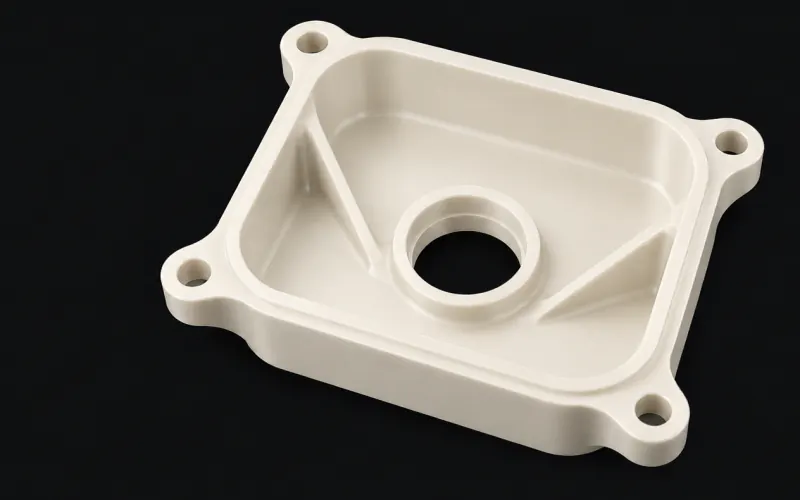
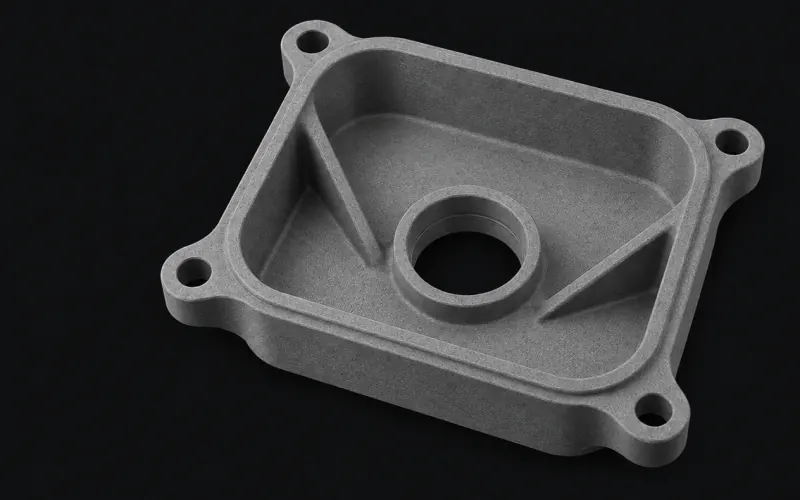
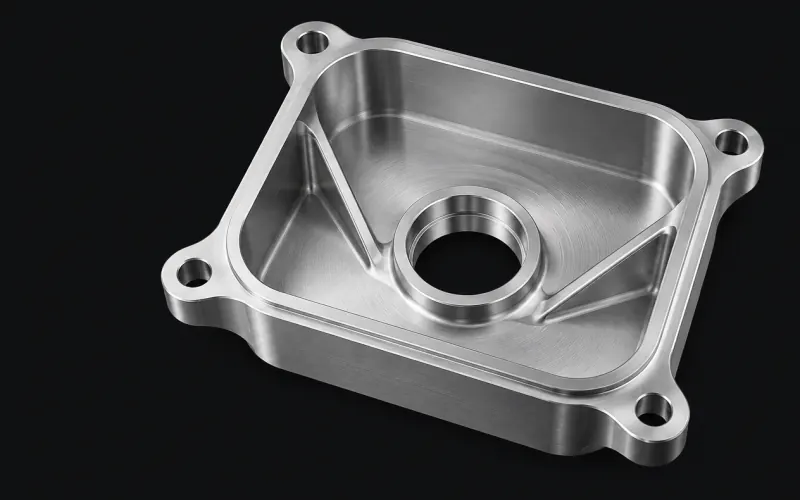
ABS: an economical and durable option for enclosures and prototypes.
The ABS is one of the most widely used materials for manufacturing prototypes and functional parts. It is a rigid plastic, relatively lightweight, and offers good resistance to moderate impacts. It is commonly used in electronic device enclosures, consumer parts, supports, covers, or components that must withstand daily use without breaking.
Its advantages include good impact resistance, cost-effectiveness, ease of machining and manufacturing, a good surface finish, and the ability to sand, paint, or post-process it.
However, when the part must withstand repeated blows, continuous vibrations, or high stresses, ABS may crack or break. It is usually a good option when:
- The part will not be subjected to heavy loads.
- An economical functional prototype is sought.
- Visual appearance is important.
- The part must be rigid, but not extremely strong.
Common examples include electronic product enclosures, supports and light fixtures, prototypes for assembly testing, or parts to validate a design before moving to production.
PA12: one of the best choices if the part must absorb impacts
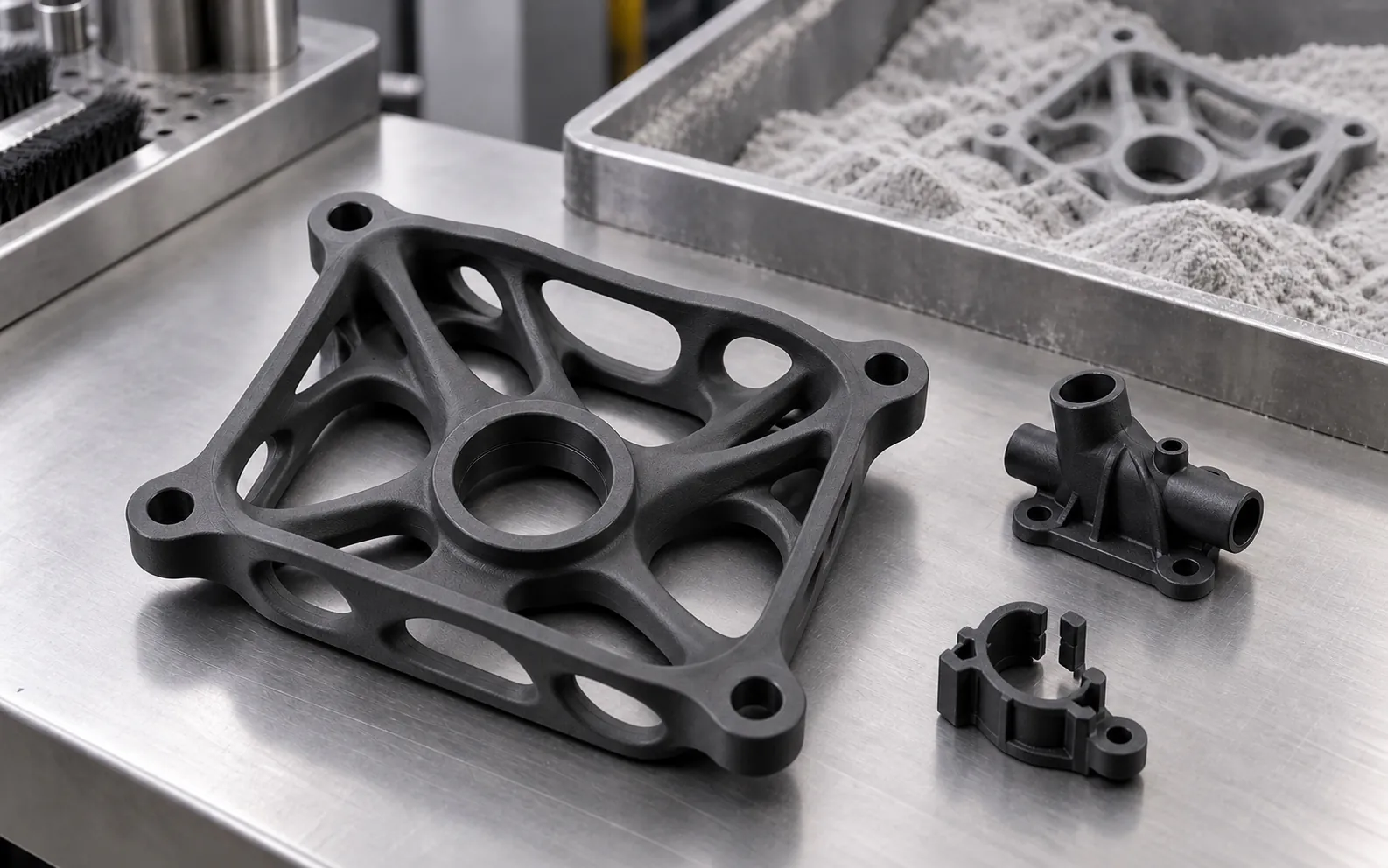
The PA12, also known as nylon PA12, is one of the most used materials in industrial 3D printing, especially in MJF technology.
Unlike ABS, PA12 is not as rigid, but it is much tougher: it can deform slightly and absorb impacts without breaking. That is why it is usually the best option when a part must withstand:
- Repeated impacts.
- Drops.
- Vibrations.
- Fatigue from continuous use.
- Moderate flexing.
Although it may look similar visually, a PA12 part withstands intensive use better than an equivalent ABS part. Additionally, it is ideal for complex geometries and lightweight parts.
It is used in hinges and clips, housings subjected to impacts, automotive or mobility parts, components that must be assembled and disassembled many times, and functional parts with a certain degree of flexibility.
Its main drawback is that it does not offer the same rigidity as aluminum. If the part must remain completely stable or withstand large structural loads, PA12 may deform more than desired.
Aluminum: the best option when you need maximum rigidity
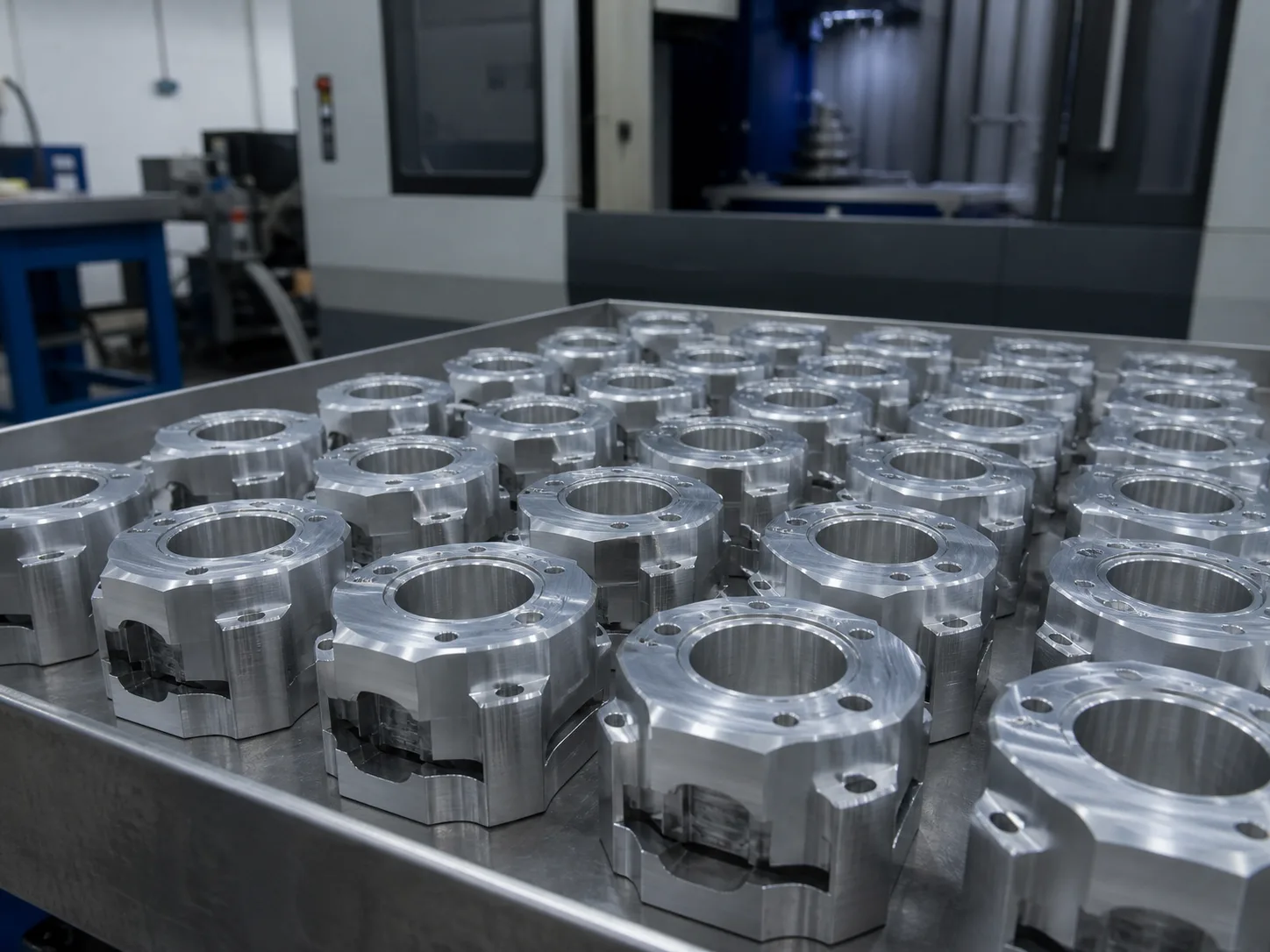
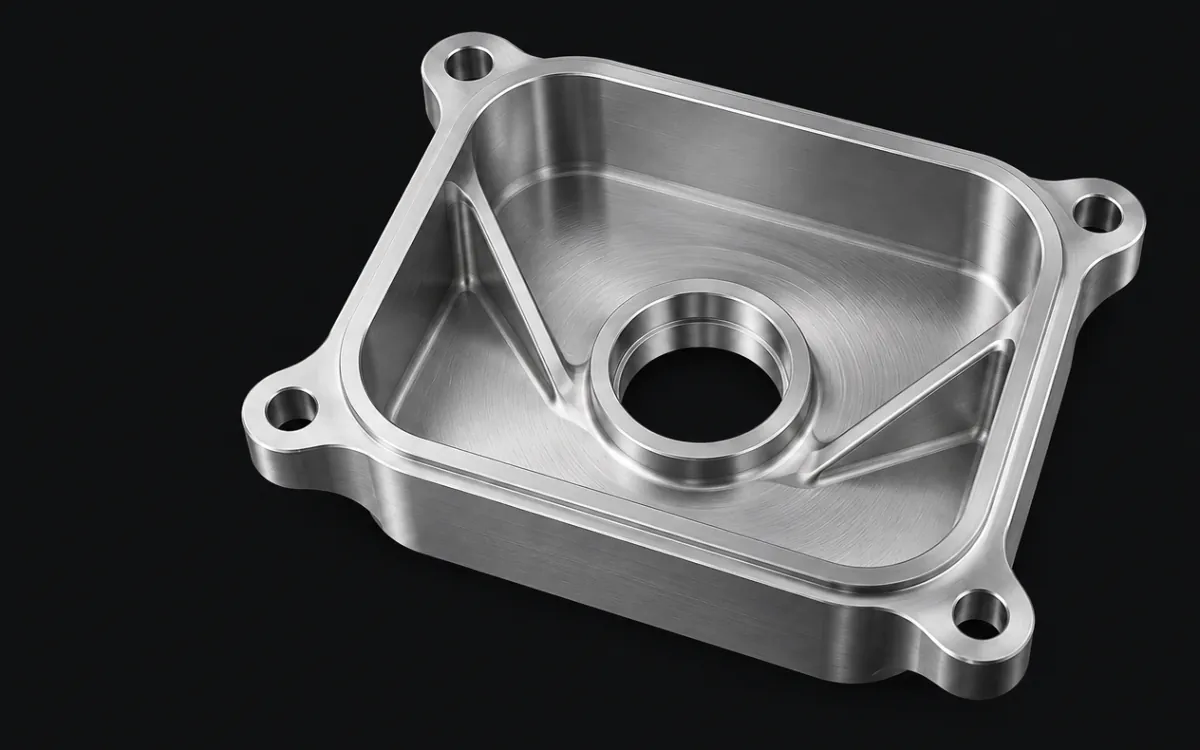
When the priority is not to absorb impacts but to avoid deformations, aluminum is usually the best alternative. It is much more rigid and mechanically resistant than ABS or PA12, which is why it is used in structural parts, components subjected to loads, or applications where the part cannot bend or flex.
Its advantages include high rigidity, very good mechanical resistance, resistance to high temperatures, tighter tolerances, and good behavior under continuous loads.
Compared to plastics, aluminum is more expensive and the part weighs more. In front of a strong impact it may deform or get marked, but it does not absorb energy like a plastic, and it is not suitable when the part needs certain elasticity. It is usually the best option for:
- Structural supports.
- Chassis.
- Tooling.
- Machine components.
- Parts subjected to loads or torsion.
How to choose between ABS, PA12, and aluminum?
| If your part… | ABS | PA12 | Aluminum |
|---|---|---|---|
| Takes hits or drops | Moderate impacts | Absorbs impacts | Marks, does not absorb |
| Vibrates or works under fatigue | May crack | Resists better | Continuous stress |
| Cannot deform | Rigid, not extreme | Less rigid | Maximum rigidity |
| Needs tight tolerances | — | — | Tighter |
| Must look good | Good finish | — | — |
| It has a tight quote | Economical | — | More expensive |
| Must weigh little | Relatively lightweight | Lightweight parts | Weighs more |
If you're looking for a cost-effective prototype with a good finish and moderate strength, ABS is usually the most suitable option for housings, lightweight supports, or validation parts. If you need a impact-resistant part for shocks, vibrations, drops, or intensive use, PA12 offers greater toughness and is ideal for components that are assembled and disassembled or applications subject to fatigue. When the priority is a rigid part capable of supporting load or torsion and maintaining tight tolerances, aluminum is usually the best alternative.
ABS can fail with repeated impacts, PA12 can be too flexible in structural applications, and aluminum can increase the cost of a prototype that could be made in plastic.
Before manufacturing a functional part, define whether it must be rigid or flexible, what level of impact or load it will support, and what the right balance is between strength, weight, and cost. If you want to compare more, check the materials catalog.