Price and lead time
How much does it cost to machine a CNC part?
The price of a CNC machined part depends mainly on machine time: geometry, material, setups, tolerances, finish, and quantity. At Proto&Go! you upload the 3D model and receive the quote with price and lead time in 24 hours. The minimum order is 60 € and the minimum manufacturing cost for CNC machining is 46 €.
How can I reduce the cost of a machined CNC part?
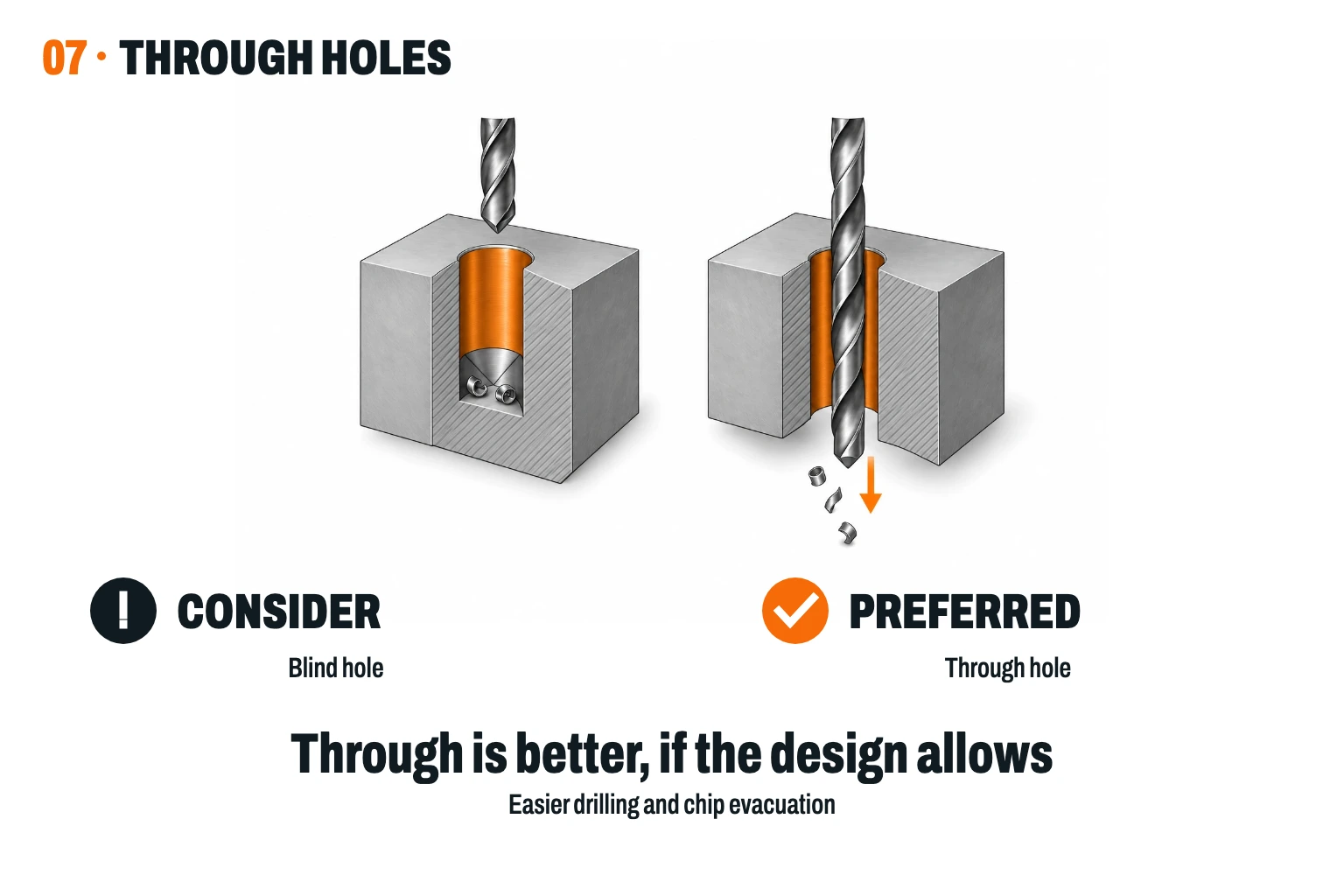
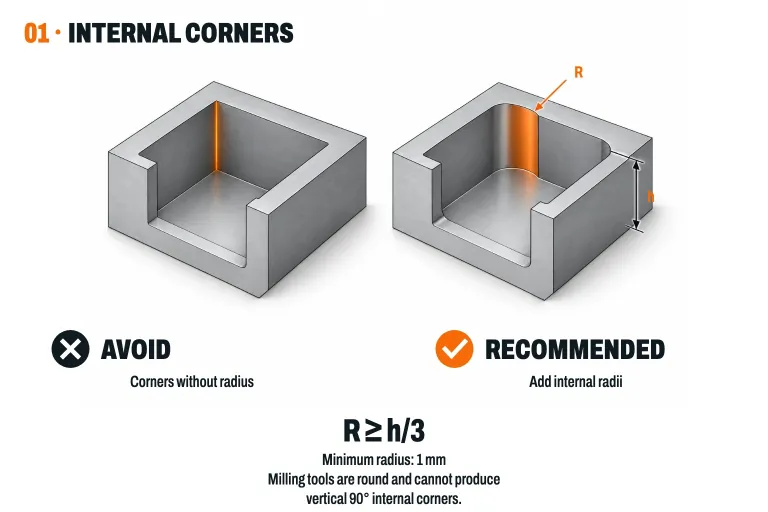
What influences most is the design. Leave general tolerances on non-functional dimensions, use internal radii of at least one-third the depth, avoid thin walls and very deep pockets, choose through-drilled holes, and reduce faces that require flipping the part. Ordering multiple units at once also spreads the preparation cost.
How long does it take to manufacture a machined CNC part?
At Proto&Go!, you receive the quote within 24 hours and machined parts within 8 working days from order confirmation. The lead time for each part depends on geometry, material, finish, and quantity, and is displayed in the quote. Shipping is then added: 24 hours in Spain.
Can I order a single machined part or is a run required?
Proto&Go! machines from a single unit. When requesting a quote, you can compare up to three quantities to see how the price per part decreases in a short run. For long runs of machining, you can consult the machining team of i-mas.
Tolerances and design
What tolerance does a machined part have if I don't specify any?
If you do not specify tolerances, Proto&Go! applies the general ISO 2768-f tolerance for metals and ISO 2768-m for plastics. For a 25 mm dimension in metal, that means ±0.10 mm, the thickness of two sheets. This is sufficient for most functional parts, housings, supports, and prototypes.
Why does a tight tolerance increase the cost of a CNC part?
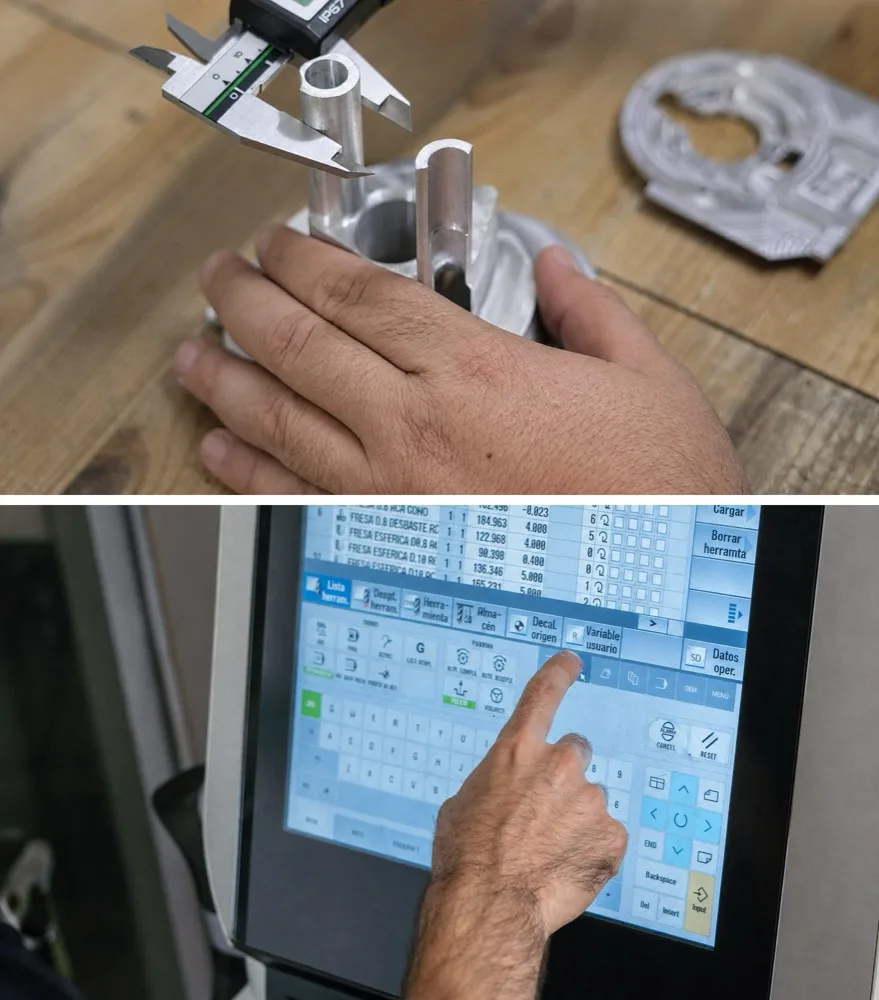
A tighter tolerance than the general one requires slower finishing passes, more careful measurement, and more rejected parts. That is why it is best reserved for dimensions that truly need it, such as a bearing housing. For the rest, the general tolerance is already very fine and keeps the price low.
What maximum precision can be achieved with CNC machining?
For specific functional dimensions, Proto&Go! can reach an IT7 quality in metals, about 21 microns for a 25 mm dimension, and IT11 for plastics. Plastics expand and absorb moisture, so it is not advisable to demand metal-level precision. If a part needs such a fit, mention it to the engineering team when requesting the quote.
What surface roughness does CNC machining leave?
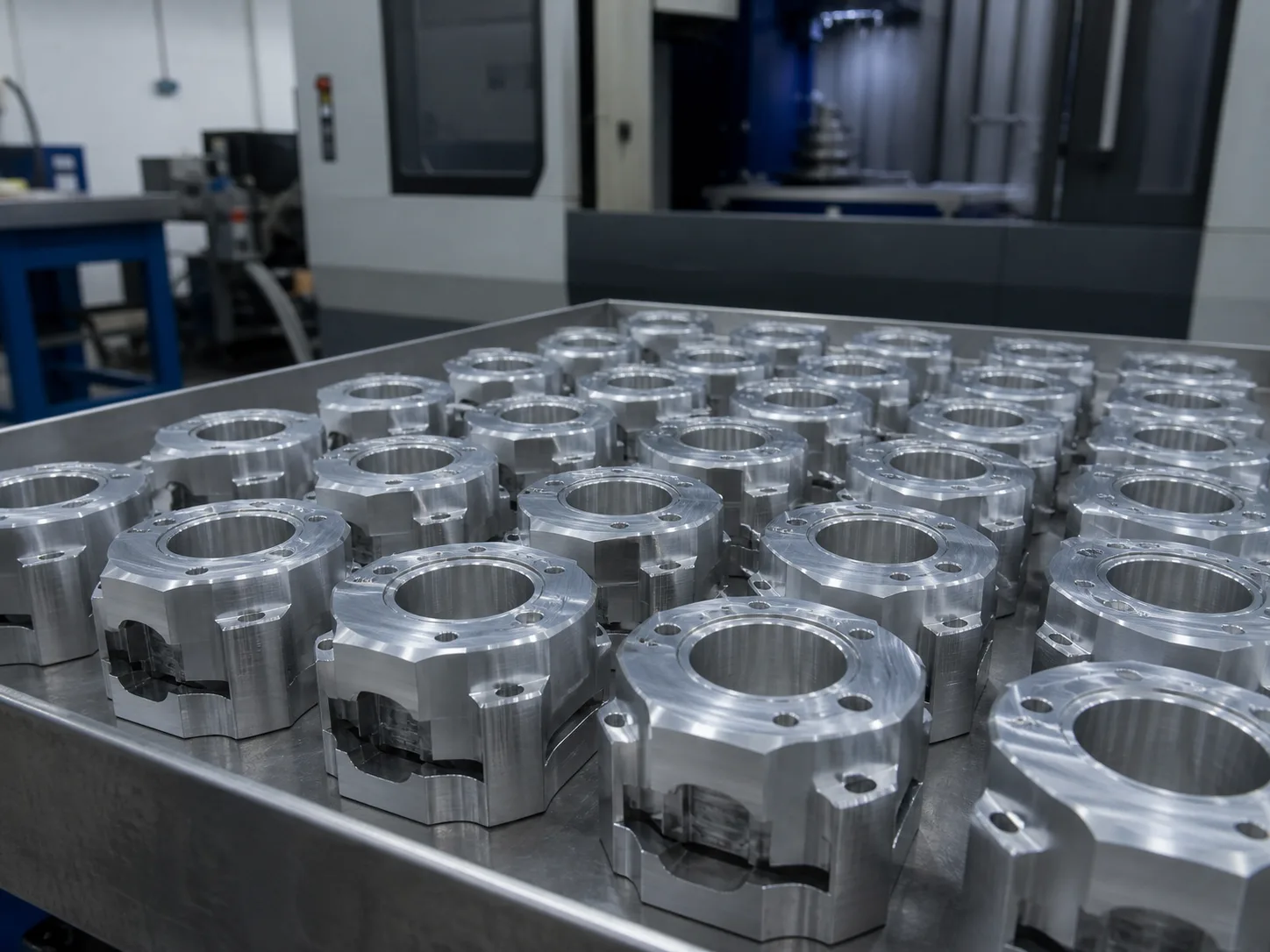
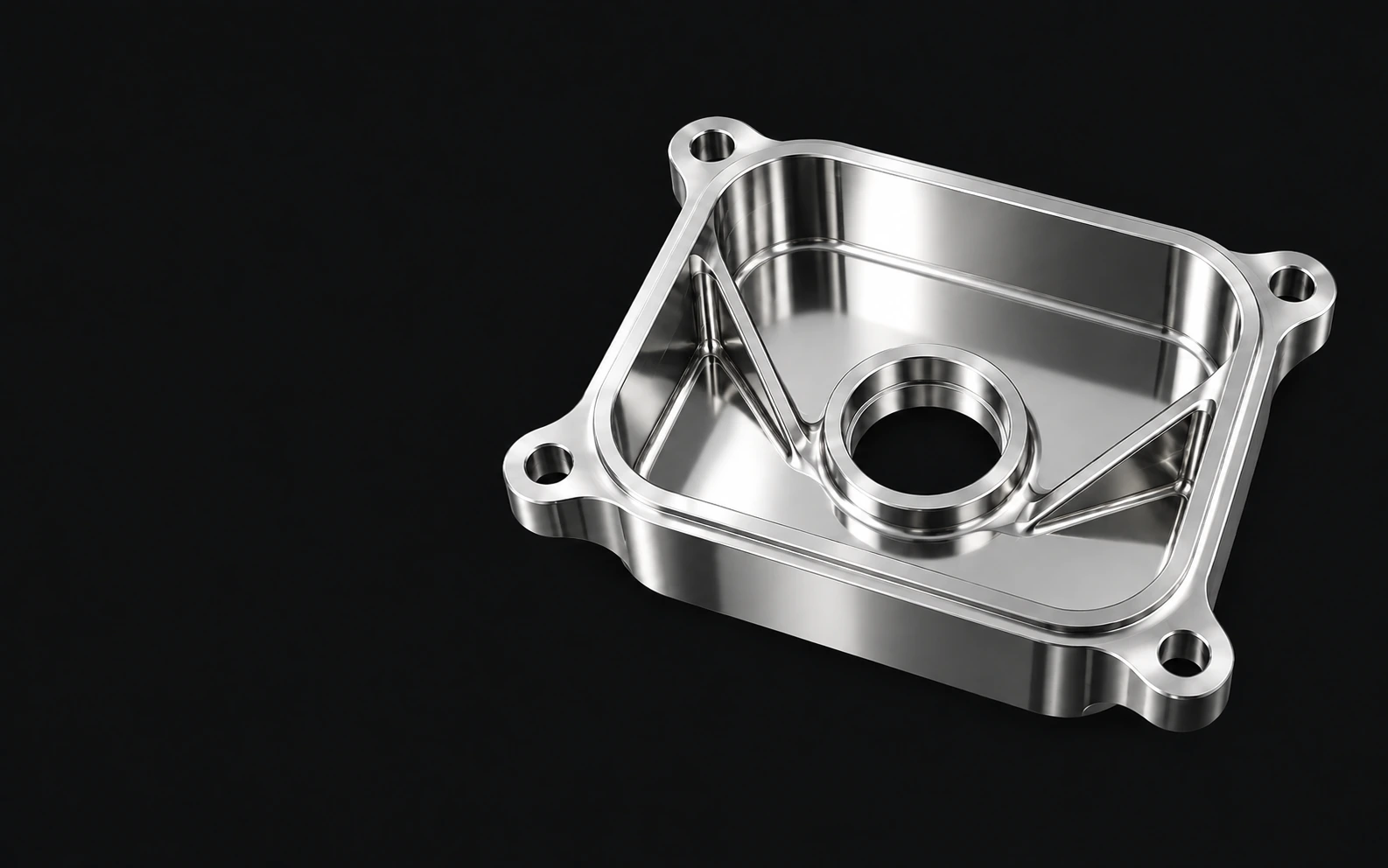
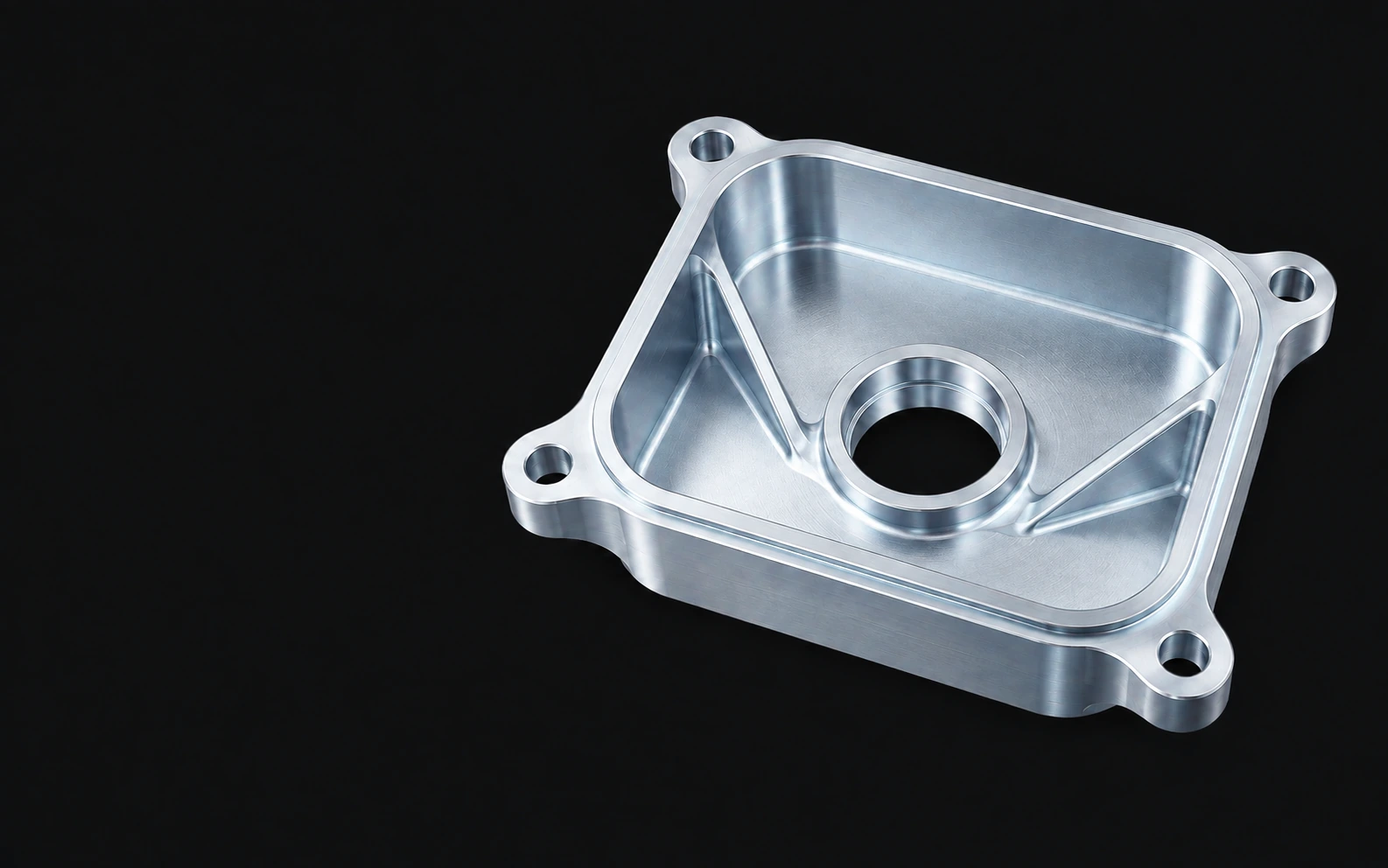
A machined part shows fine tool marks. At Proto&Go!, surfaces up to Ra 1.6 µm are achieved, about forty times finer than a hair. If you are looking for a uniform appearance, sandblasting or anodizing masks the marks.
What minimum internal radius must be set on a milled part?
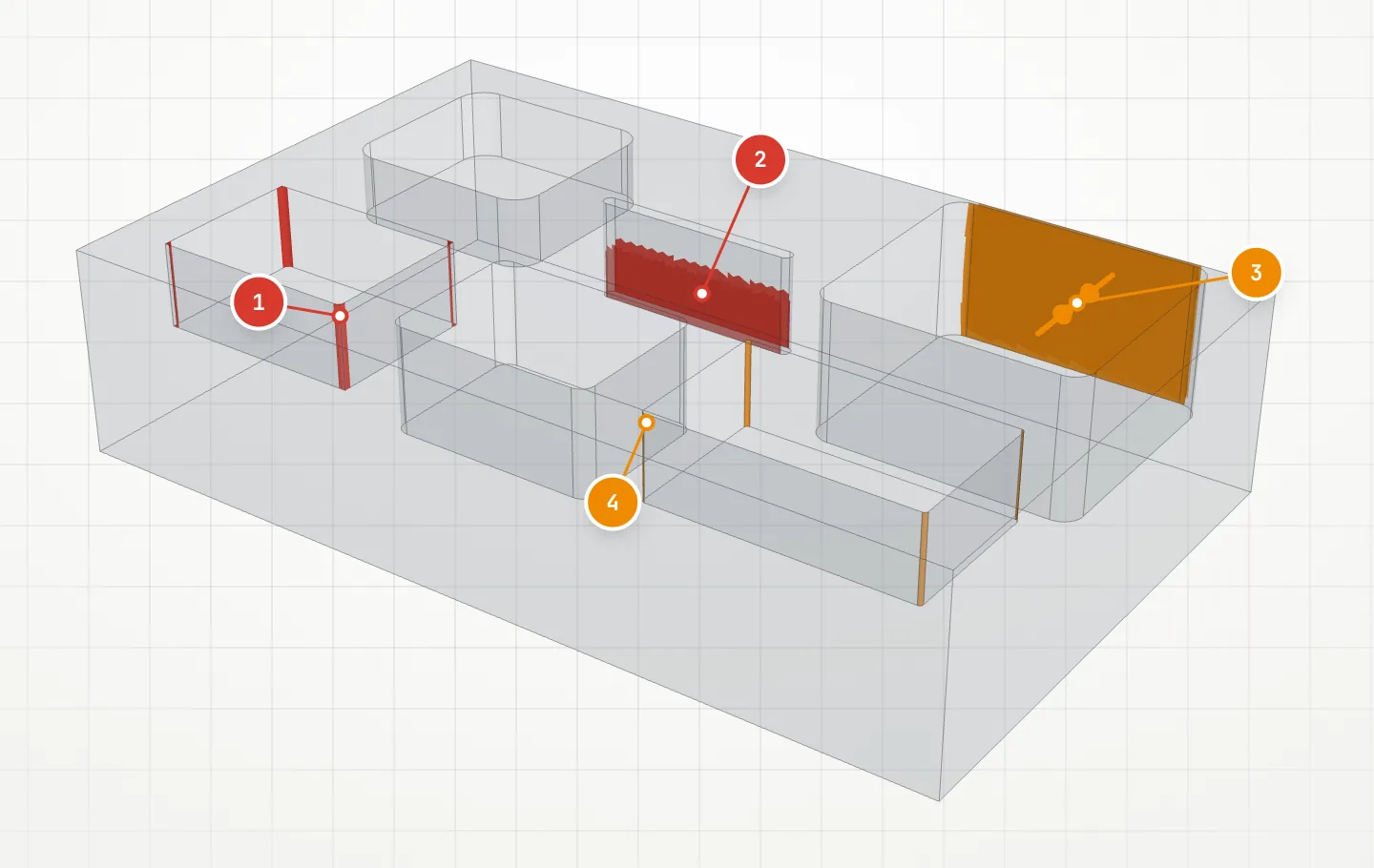
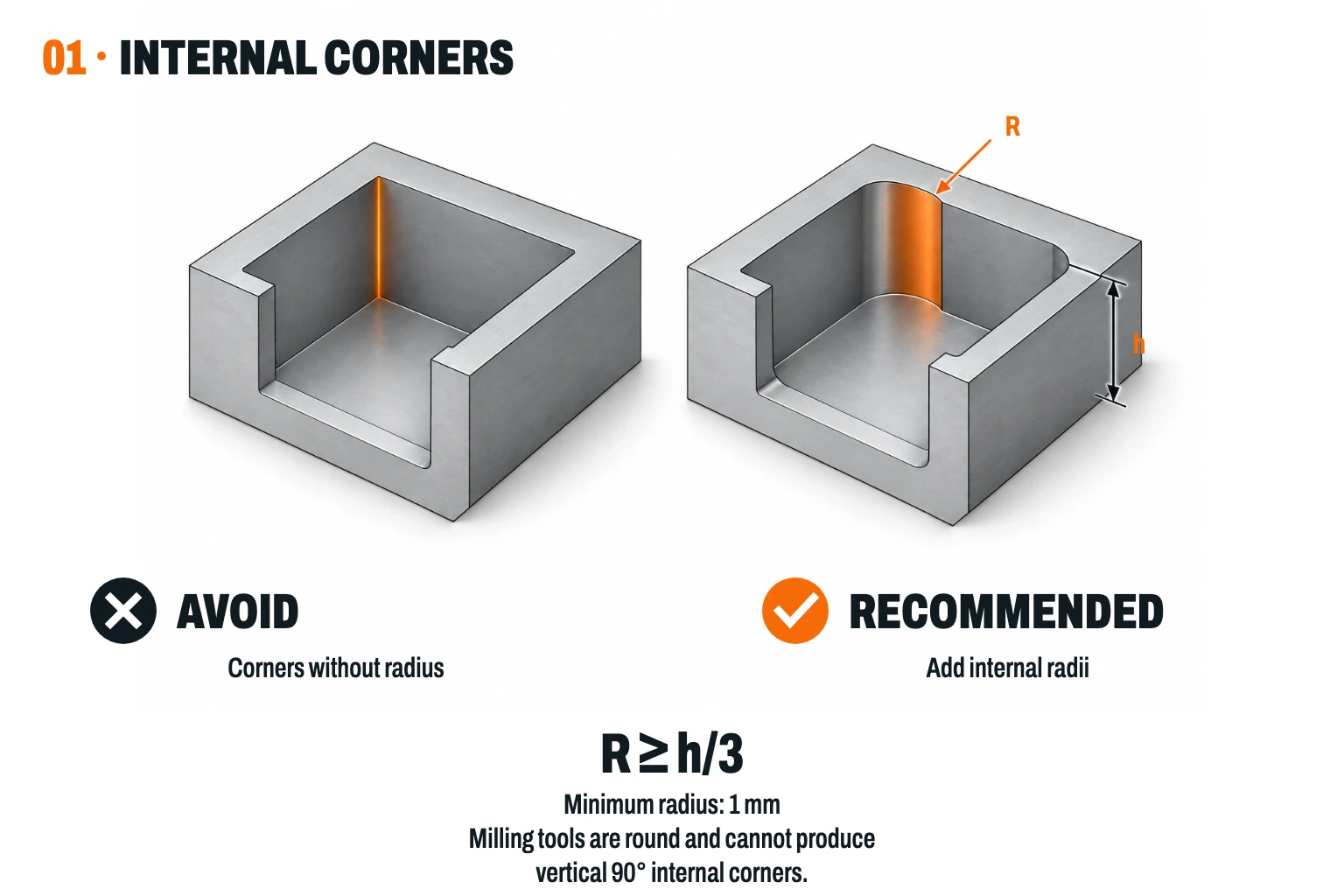
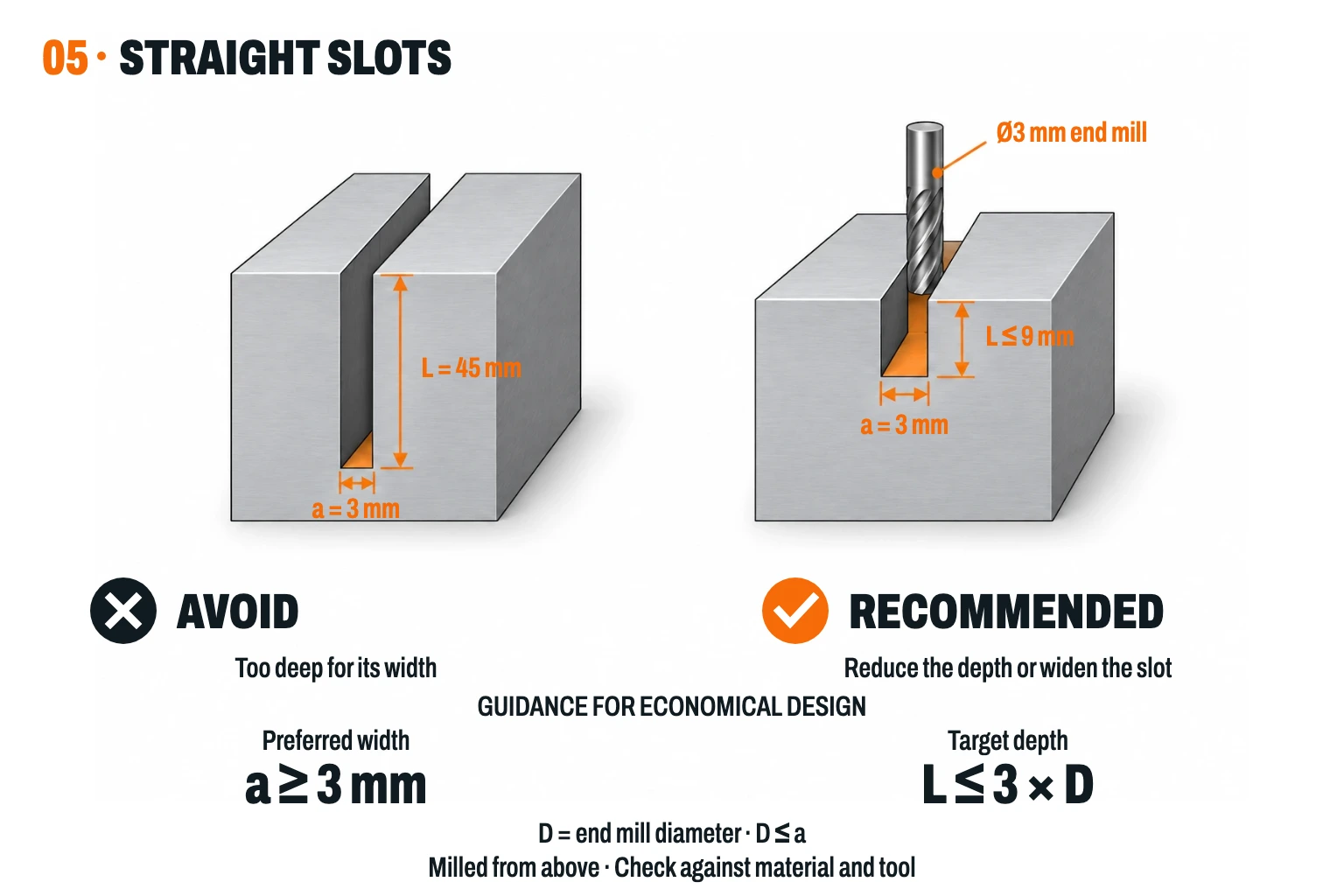
The end mill is round, so the internal corners of a pocket always have a radius. Design radii of at least one-third the depth and never less than 1 mm: this allows using a larger, more rigid, and faster tool. If another part with sharp corners must fit there, add relief at the corners.
What is the minimum wall thickness for CNC machining?
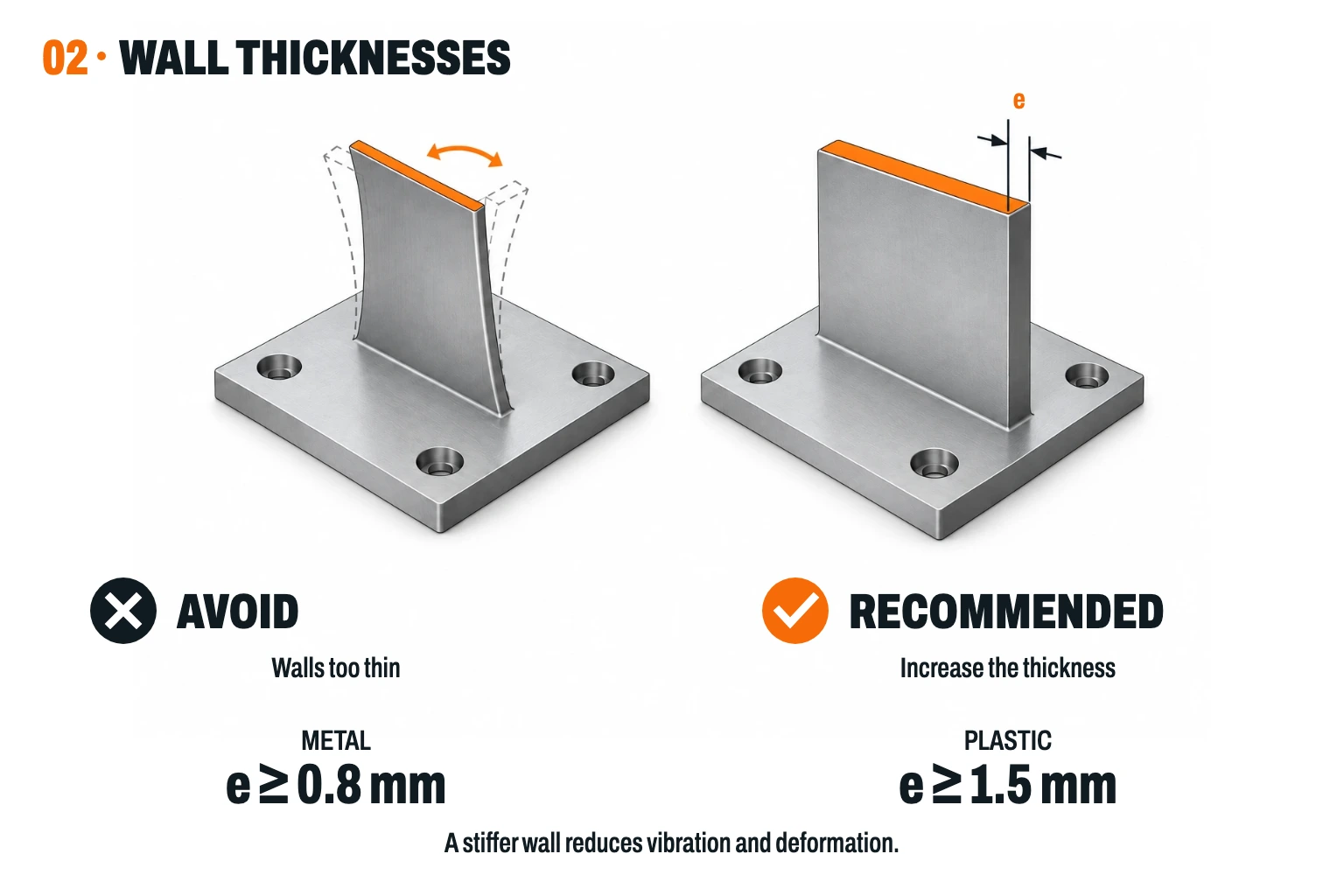
As a reference, 0.8 mm for metal and 1.5 mm for plastic. Below this, the wall vibrates during cutting and can deform or break. The higher the wall, the more thickness is advisable.
How are drilled holes and threads designed for CNC machining?
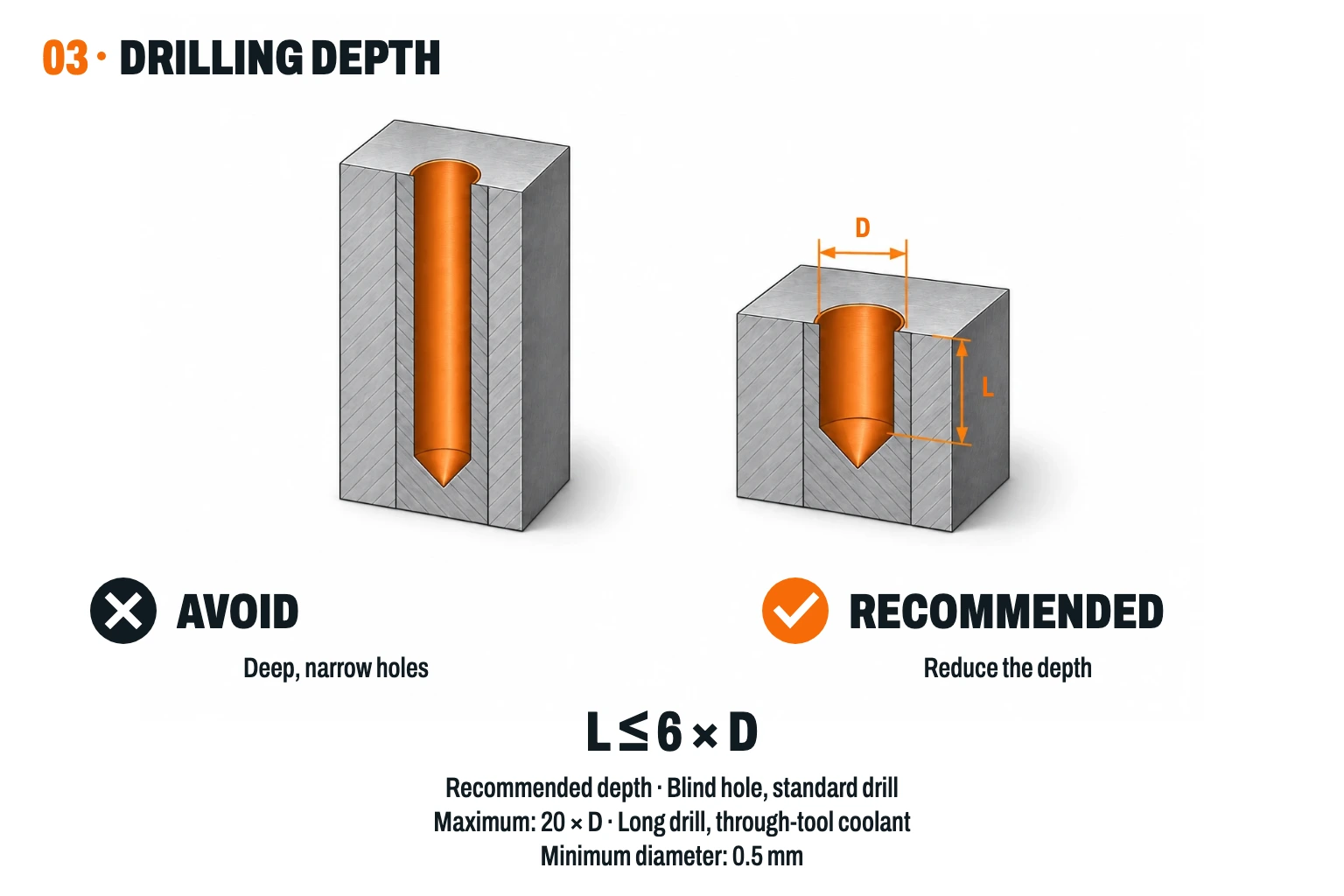
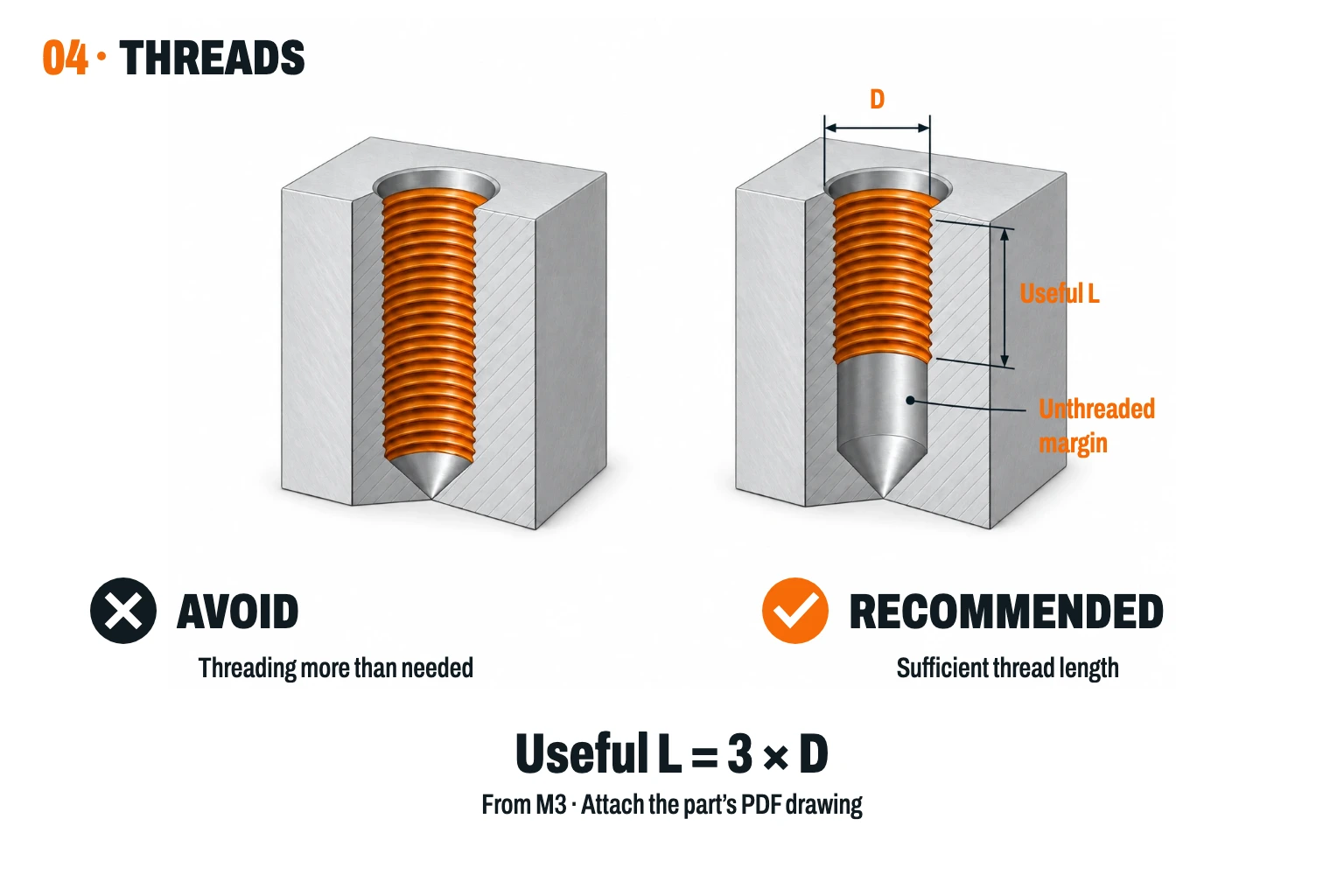
L ≤ 6 × D: recommended depth for blind holes with a standard drill. Maximum in this guide: 20 × D, with a long drill and through-tool coolant. Minimum diameter: 0.5 mm. Through holes have no depth warning up to 9 × D; from 20 to 40 × D, drill from both sides. For a thread, a usable length of 3 times the diameter is enough, from M3, with an unthreaded margin at the bottom. Since the 3D model doesn't show the thread size, mark the threads in a PDF attached to the part.
Can we machine undercuts, T-slots, or closed cavities?
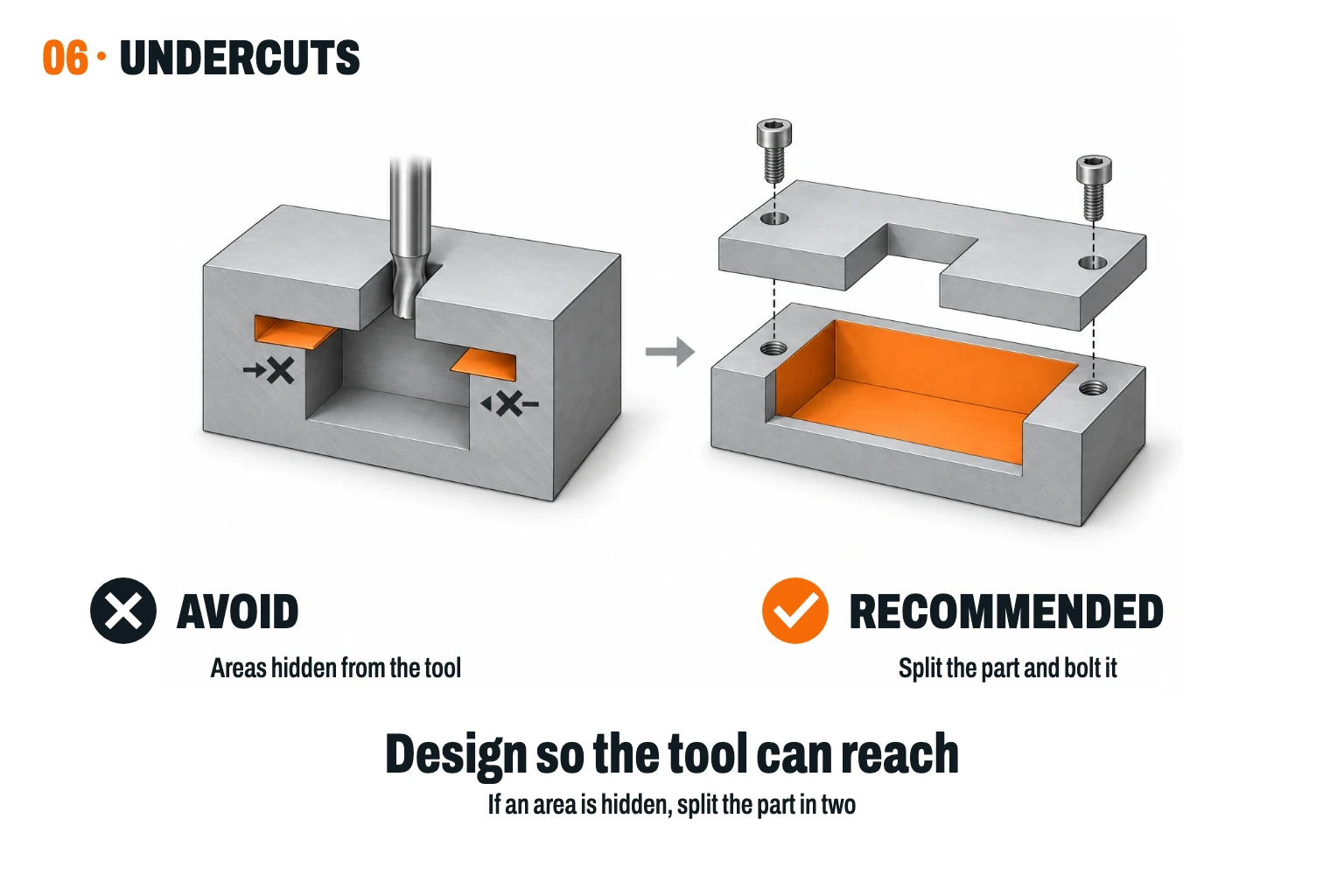
Only if the tool reaches the area. Hidden or closed cavities cannot be milled directly, and the usual alternative is to divide the part into two pieces joined with screws. The Proto&Go! engineering team reviews manufacturability when preparing the quote.
Processes
What is CNC machining and how does it work?
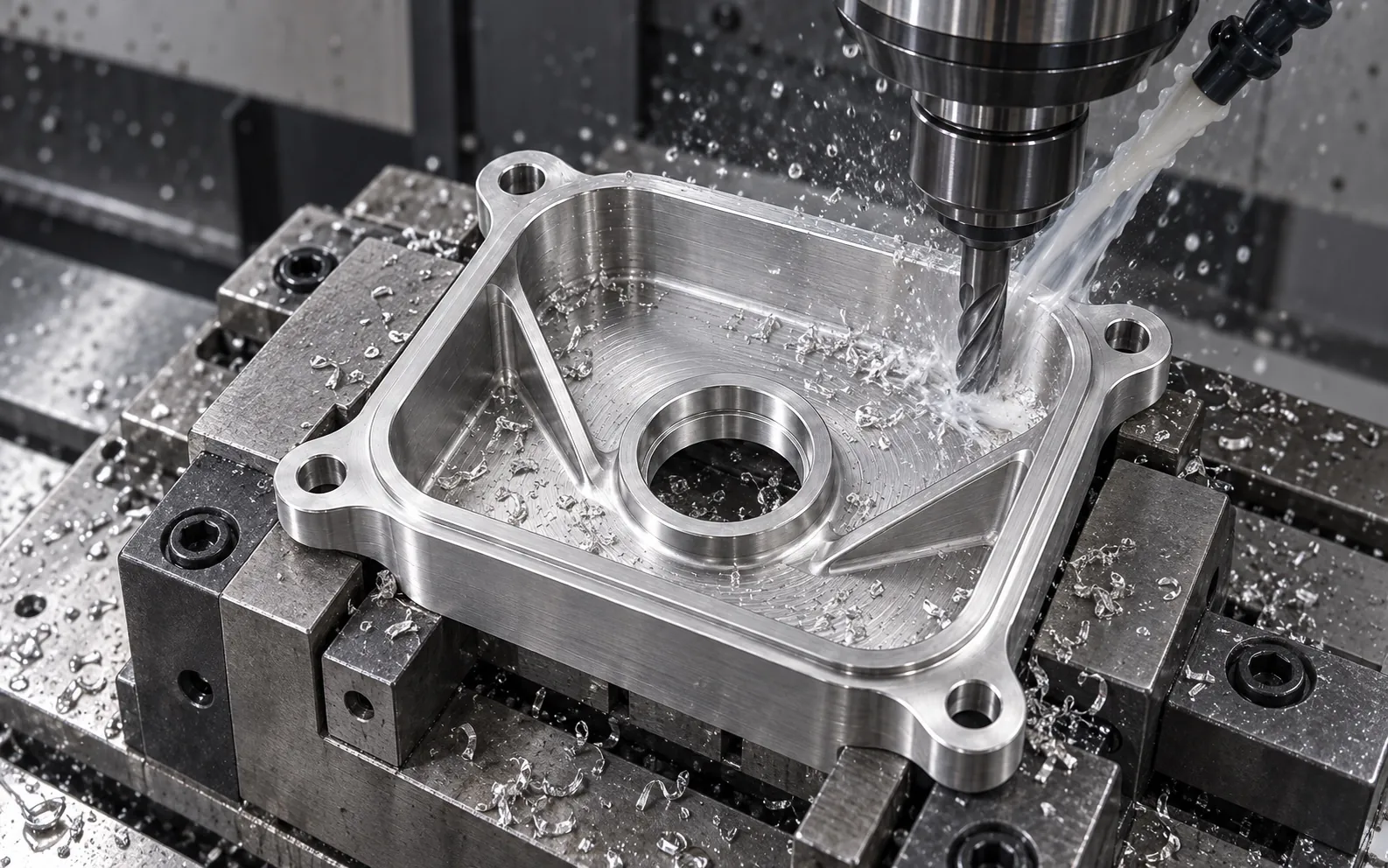
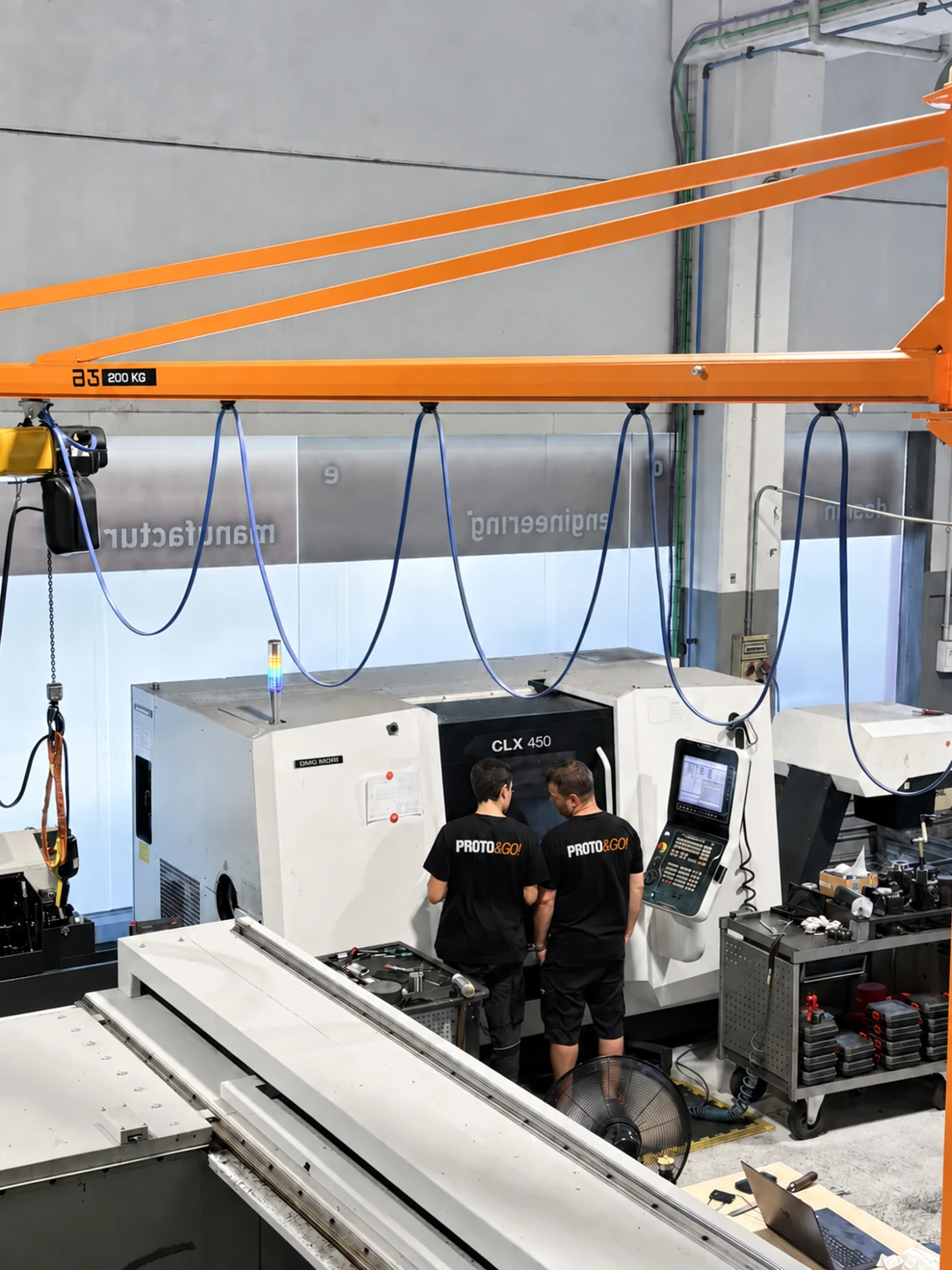
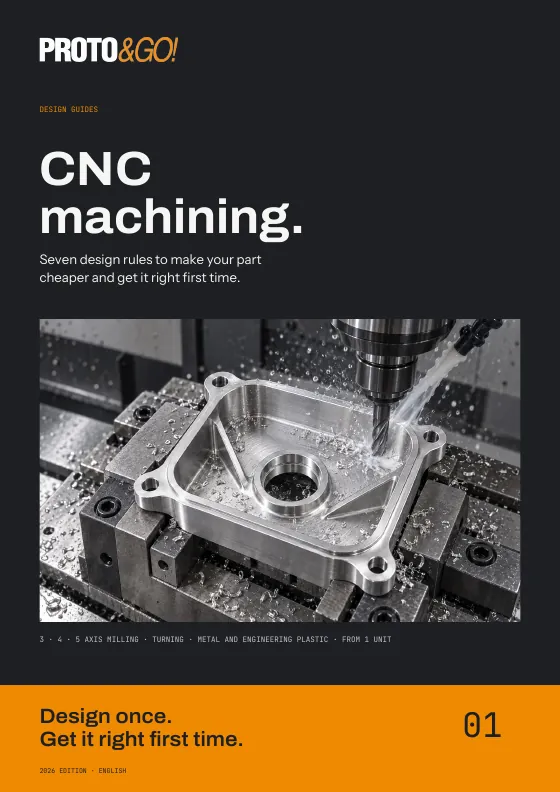
CNC machining produces a part by removing material from a block or bar using computer-controlled cutting tools. From the 3D model, toolpaths are programmed, and the machine mills or turns until the geometry is achieved. It is suitable for functional parts in metal and engineering plastics, for both prototypes and short runs.
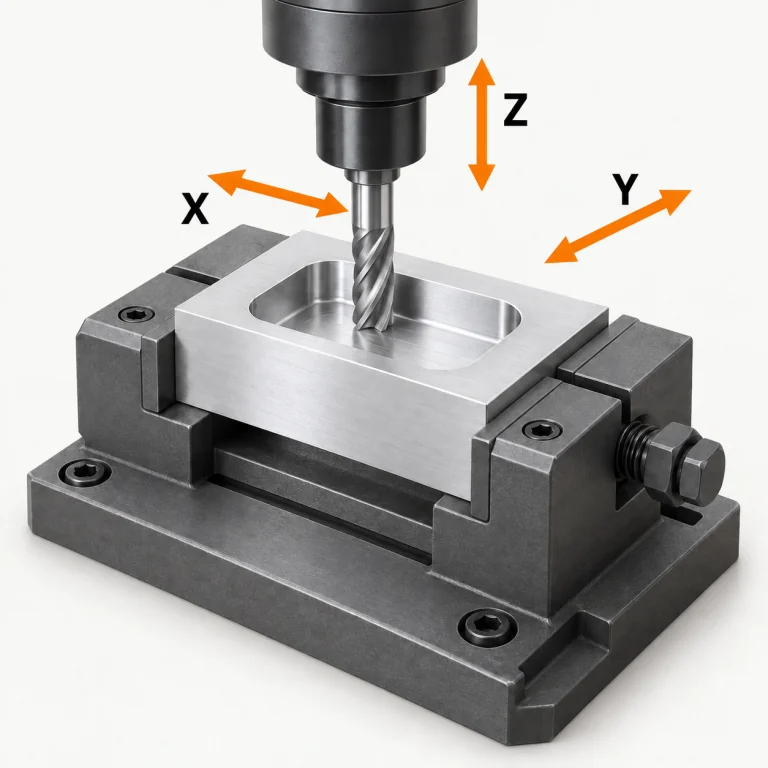
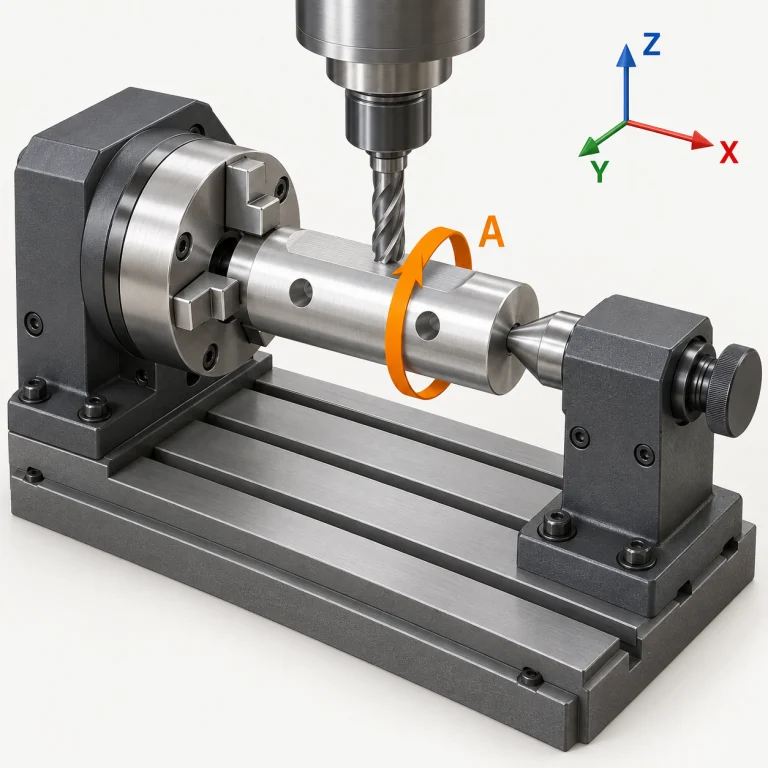
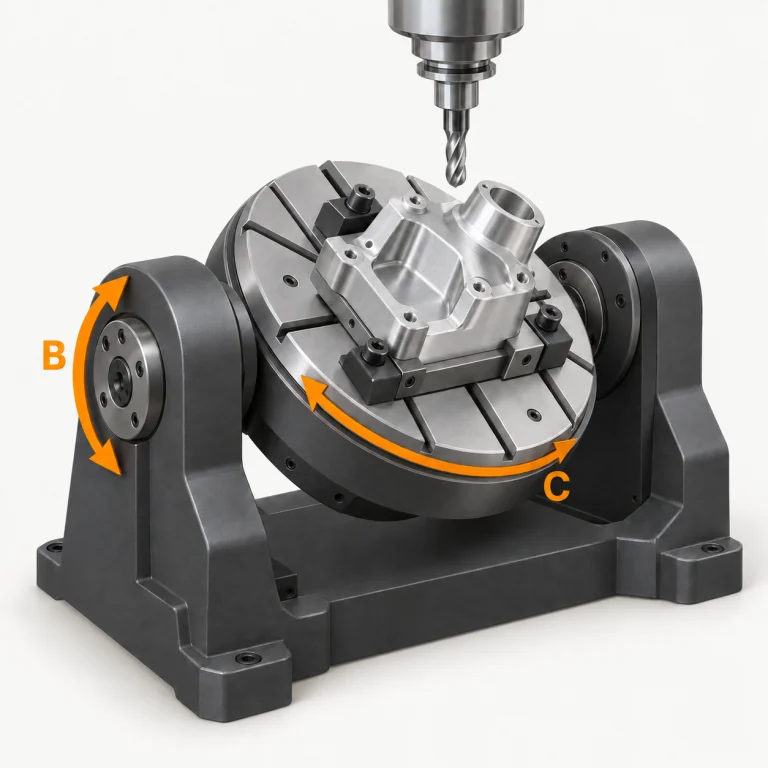
What is the difference between 3, 4, and 5-axis milling?
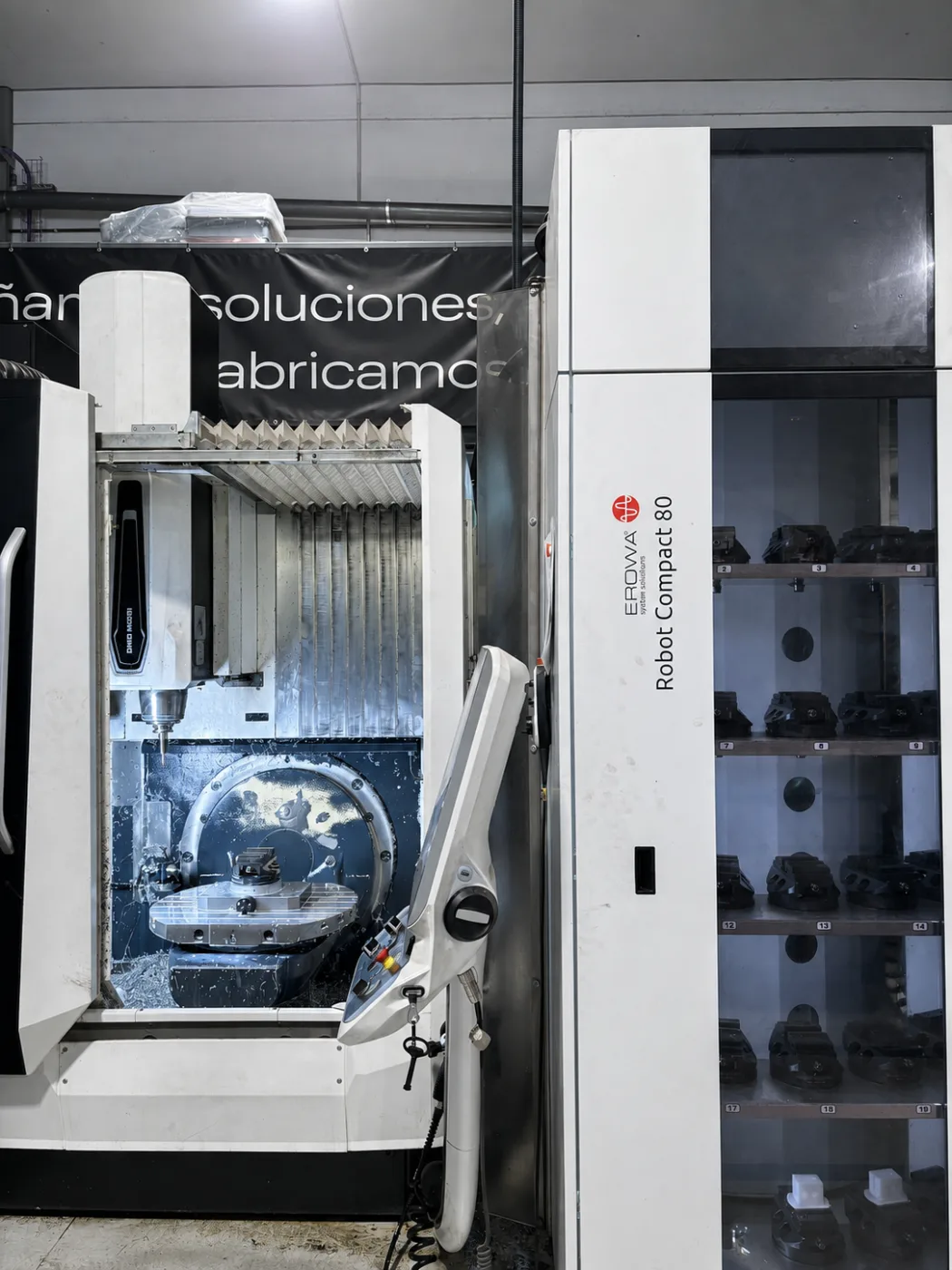
With 3-axis machining, the tool moves in X, Y, and Z over the fixed part: this is the most economical option for plates, pockets, and brackets. The fourth axis adds a rotation to machine multiple faces without re-clamping. With 5 axes, the table tilts and rotates, allowing complex geometries and free-form surfaces in a single setup. Proto&Go! selects the process based on the geometry to optimize the price.
When is CNC turning preferred over milling?
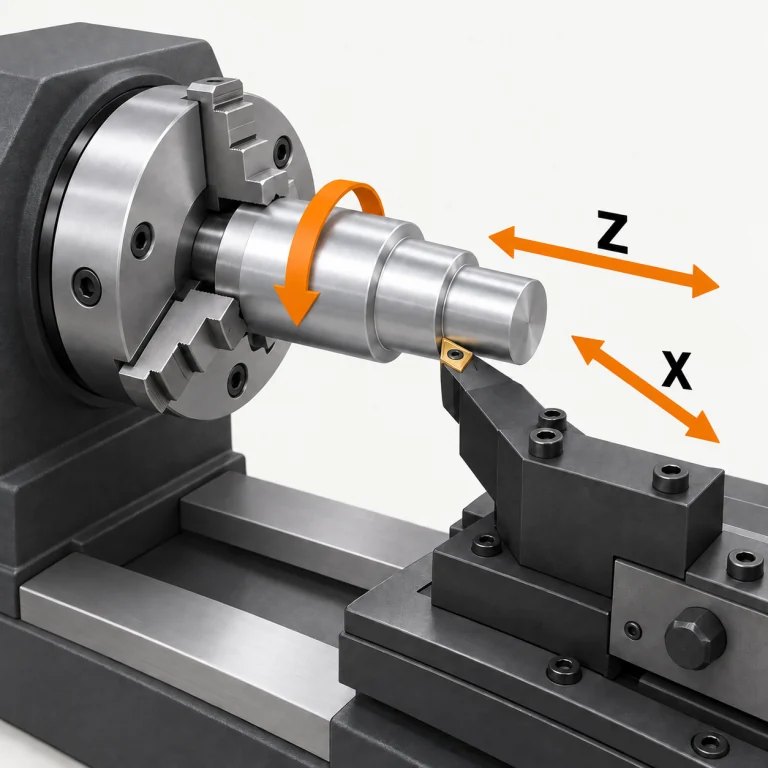
Turning is the fastest and most economical option for rotational parts: shafts, bushings, bolts, or fittings. The part rotates and the tool advances in X and Z. If the round part also has flat surfaces, side holes, or grooves, turning and milling are combined.
CNC machining or 3D printing for a prototype?
CNC machining delivers the part in the final material, with better tolerances and finish: it is the option for functional prototypes in metal or engineering plastics. 3D printing is faster and more economical for complex geometries, hollow parts, or multiple design versions. At Proto&Go!, 3D printing in PA12 is delivered within 5 working days, while machining starts from 8.
CNC machining, silicone molds, or injection molding for a short run?
For low quantities in metal or engineering plastics, CNC machining is the direct option. For short runs of plastic parts with a product-like appearance, silicone molds with polyurethane casting reduce the price per part. For thousands of plastic parts, injection molding is usually cost-effective because the mold cost is amortized. At Proto&Go!, we help you compare when preparing the quote.
Materials and finishes
What materials can be machined with CNC?
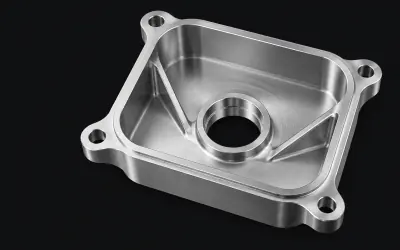
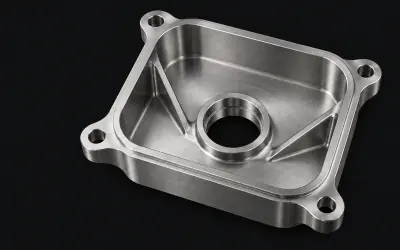
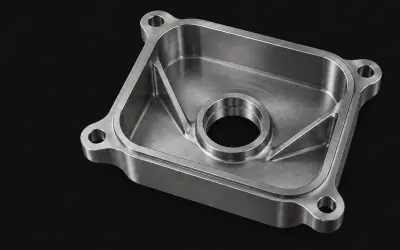
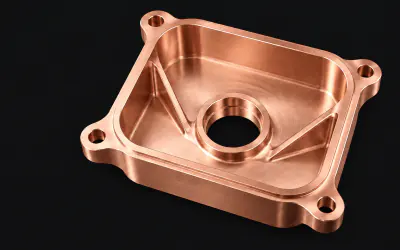
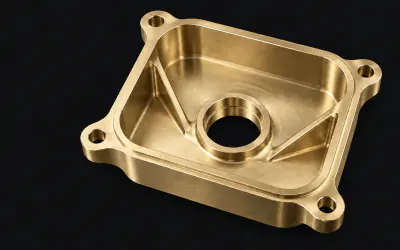
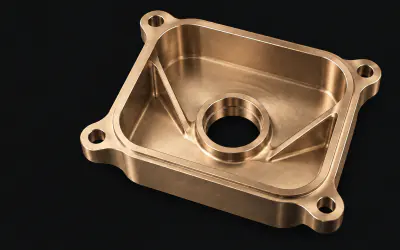
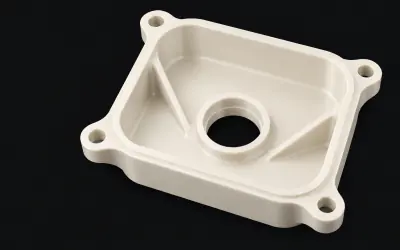
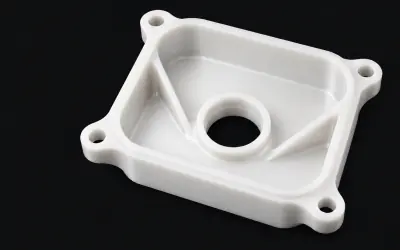
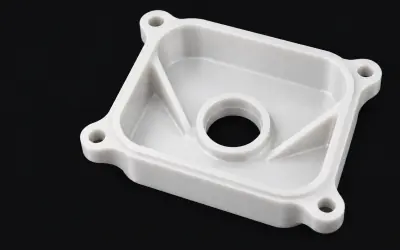
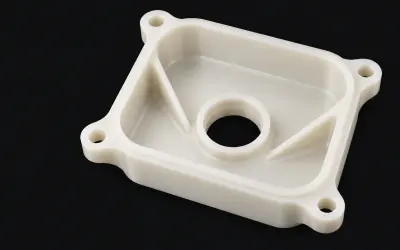
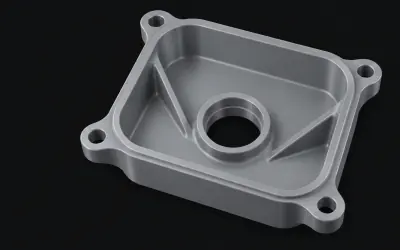
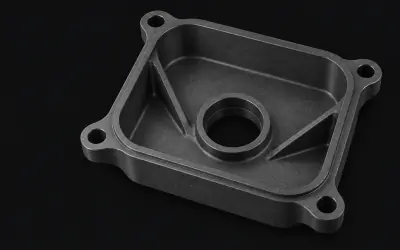
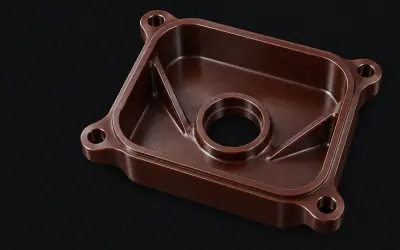
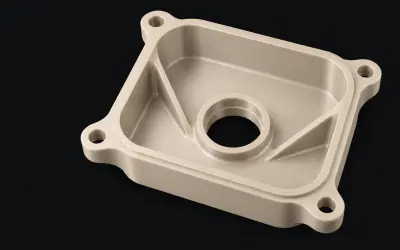
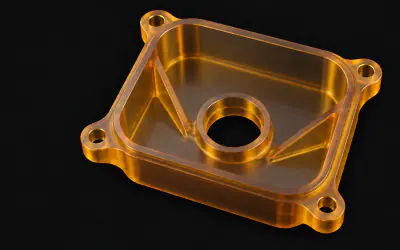
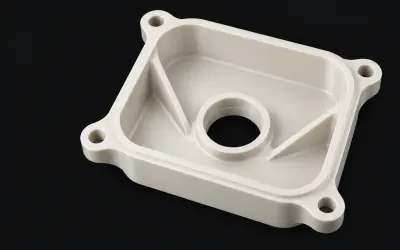
Proto&Go! machines metals such as aluminum, stainless steel, carbon steel, copper, brass, and bronze, and engineering plastics like POM, polyamide, polycarbonate, PMMA, PEEK, or PTFE. Each material has its datasheet with properties and applications in the materials catalog.
Which aluminum is best for machining: 6061, 6082, or 7075?
6082 and 6061 are the most common: they machine well, resist corrosion, and allow anodizing. 7075 is much stronger and is reserved for highly requested parts, with a higher price. 5083 stands out in marine environments. If you are unsure, 6082 is a good starting point.
Which plastic to choose for a machined part?
POM or acetal machines very well, is stable, and works well in friction parts, such as gears or guides. Nylon withstands impacts and wear but absorbs moisture. Polycarbonate and PMMA are used for transparent parts. For high temperatures or demanding chemical environments, PEEK is the reference.
What finishes can be applied to a machined part?
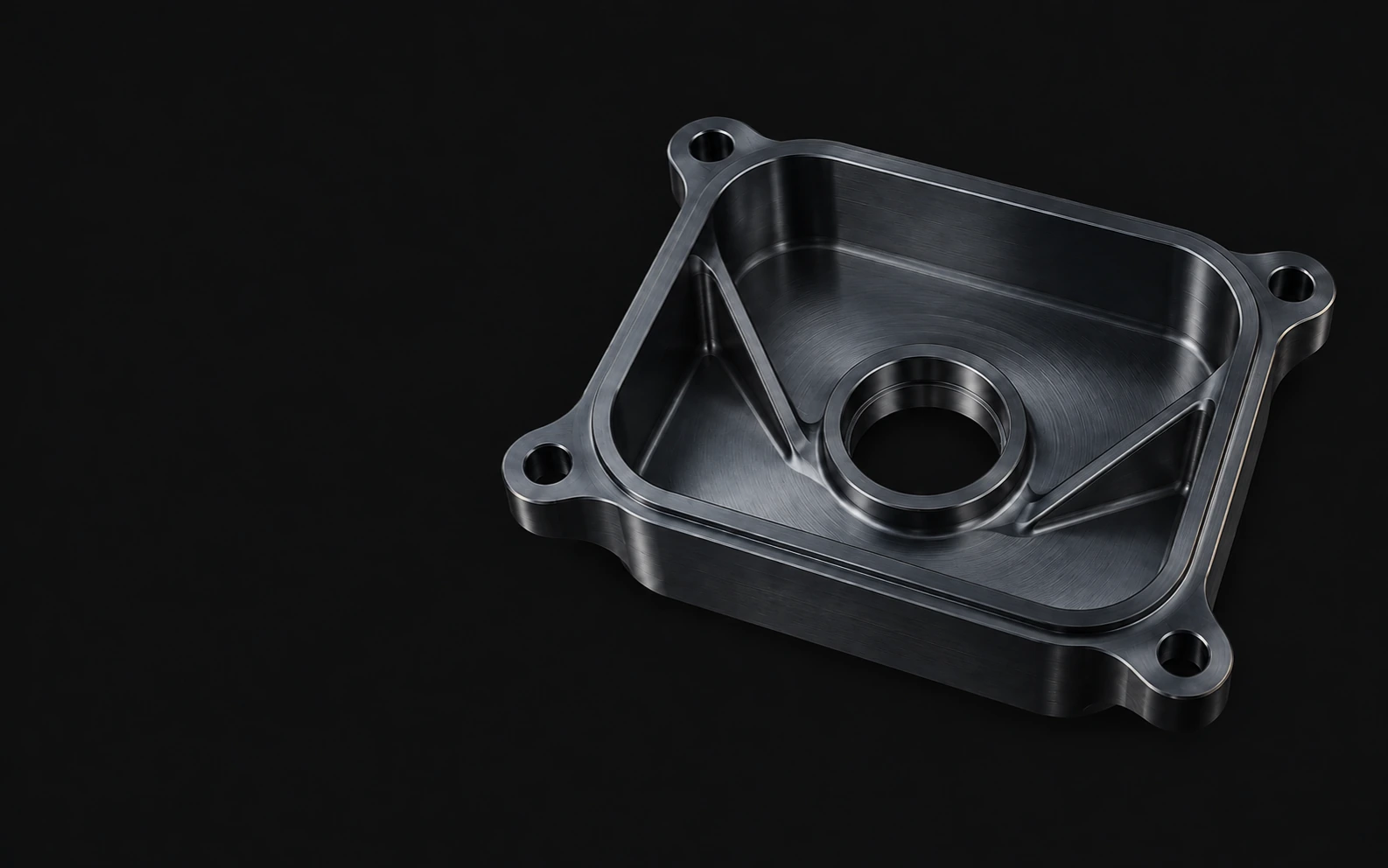
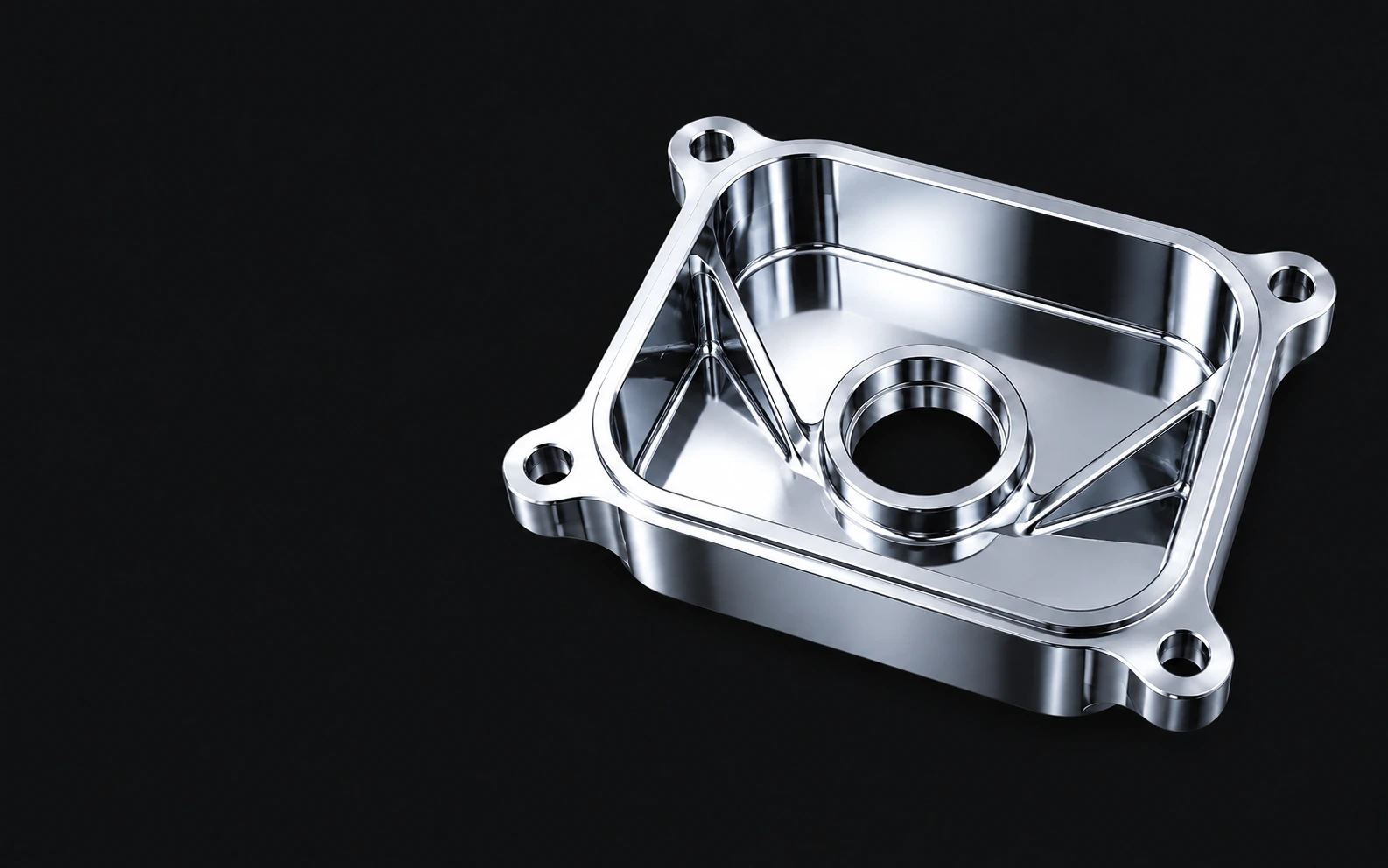
Proto&Go! delivers parts with no finish or with sandblasting, anodizing, polishing, bluing, zinc plating, chrome plating, nickel plating, or RAL color painting. Each finish depends on the material: anodizing is for aluminum, while bluing and zinc plating are for steel.
Does anodizing change the dimensions of an aluminum part?
Yes, slightly. Conventional anodizing forms a layer of 5 to 25 microns that grows about half outward and half inward into the metal: each face gains between 2.5 and 12.5 microns and a diameter, double, so a shaft thickens and a drilled hole narrows. Hard anodizing forms layers of 25 to 75 microns and changes dimensions more. For most parts it doesn't matter, but for a precise fit it's advisable to consider it when designing.
Files and order
What file is needed to order a CNC machined part?
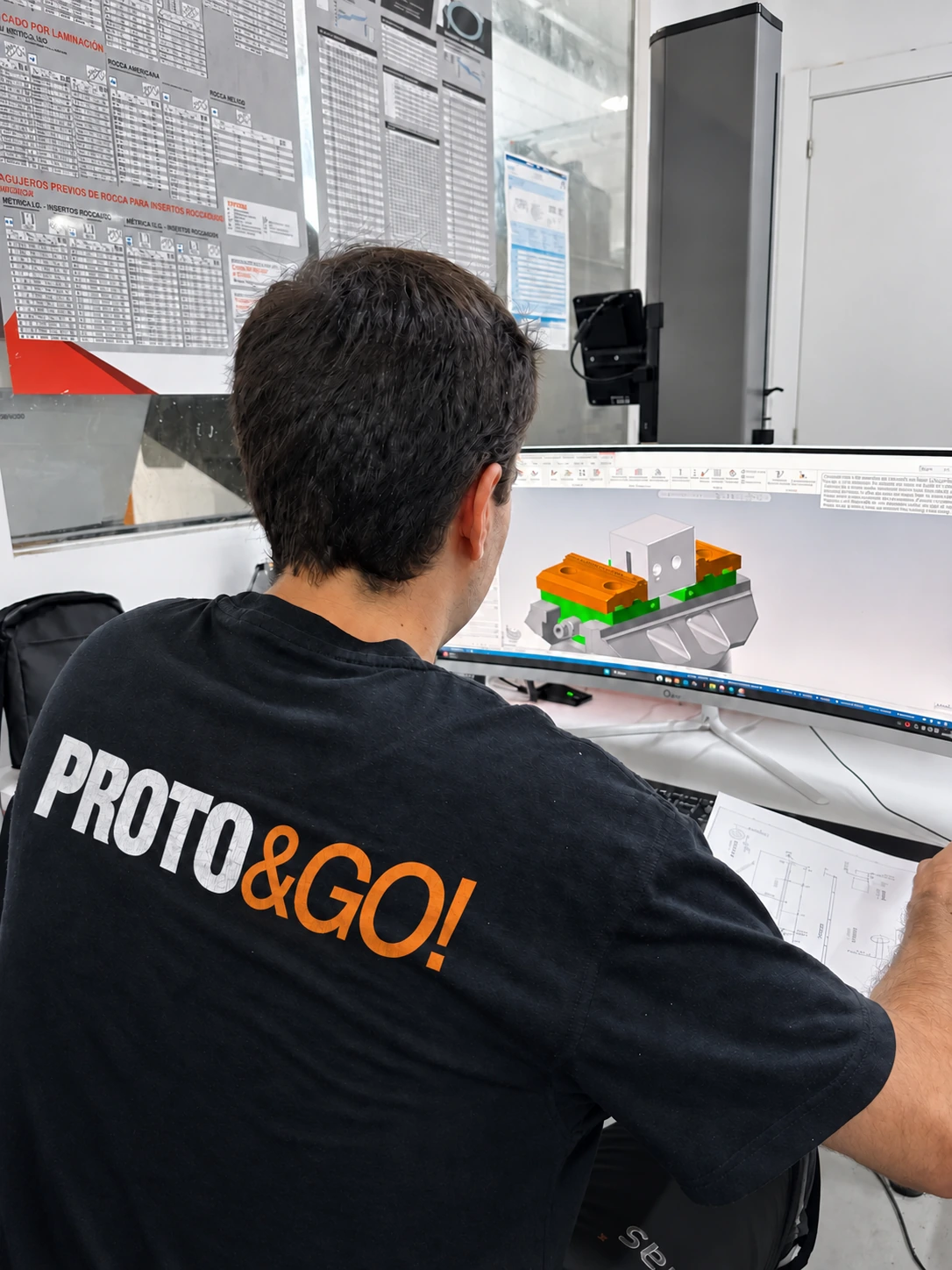
One 3D model per part in STEP or a native format: SLDPRT, X_T, X_B, IPT, CATPART, PRT, SAT, or 3DM. STL is not suitable for machining, as it describes the surface with triangles and loses exact geometry. If you only have a sketch, the i-mas engineering team can create the model.
Is a 2D drawing required to manufacture a CNC part?
No. At Proto&Go!, the 3D model is sufficient for quoting and manufacturing, with general tolerances applied to all dimensions. A PDF is added only to indicate threads or inserts, which the 3D model does not show.
Where to order CNC machined parts online in Spain?
At Proto&Go!, the online manufacturing platform of the i-mas industrial group. You upload the 3D model to the Proto&Go! platform, select material, finish, and quantity, and receive the quote within 24 hours. An engineering team reviews each part, and all pass quality control before shipping.
What happens if a machined part arrives out of tolerance?
Notify info@protoandgo.com within 48 hours of receipt and indicate which requirement is not met. Proto&Go! collects the parts, and if the issue is confirmed, they correct them or repeat the order at no cost for return or reprocessing.
Are my 3D files confidential?
Yes. Proto&Go! limits access to your files to the necessary personnel to manufacture the part, with non-disclosure agreements. If your project requires it, you can request a specific confidentiality agreement (NDA).