Modern CNC milling: what it is and how to improve it
Discover what modern CNC milling is, how it works, and the future of the CNC machining process at Proto&Go!
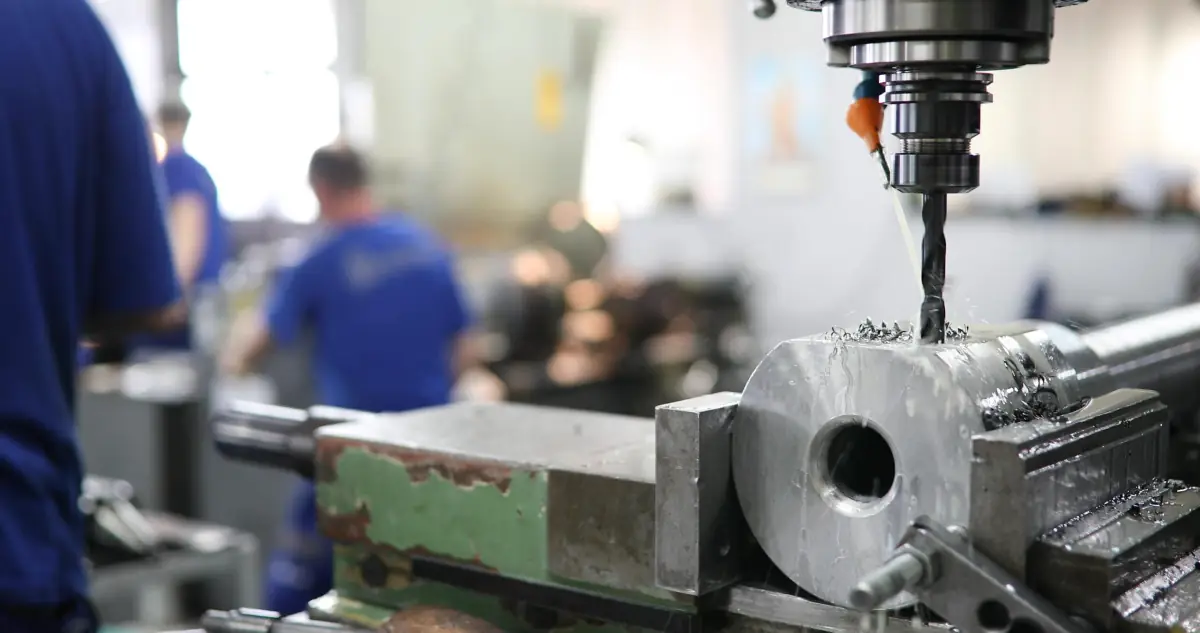
Although CNC millinghas existed for over 50 years, the technology has advanced significantly, allowing for complete automation of the process, from design to the finished part.
These advances have made this technology accessible to everyone, facilitating both large runs and small productions, from prototype creation to final parts, with really short lead times.
In this article, we tell you what modern CNC milling is, its fundamental principles, and how the latest innovations can further optimize this crucial process for manufacturing parts and prototypes with high quality and precision.
How does CNC milling work?
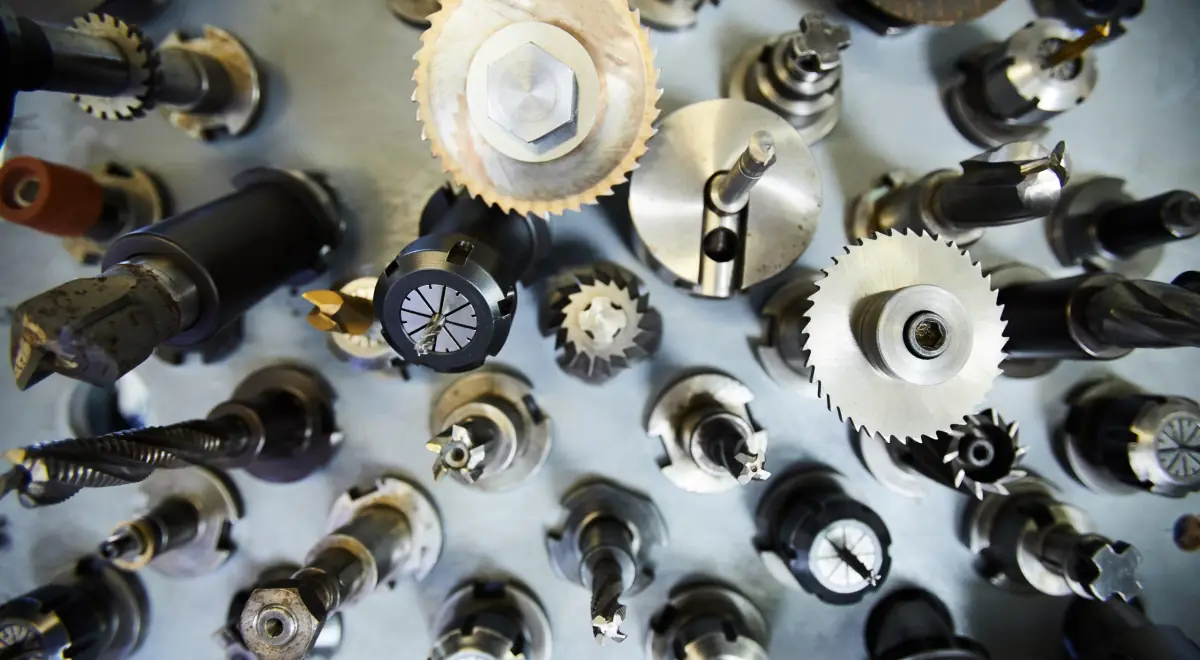
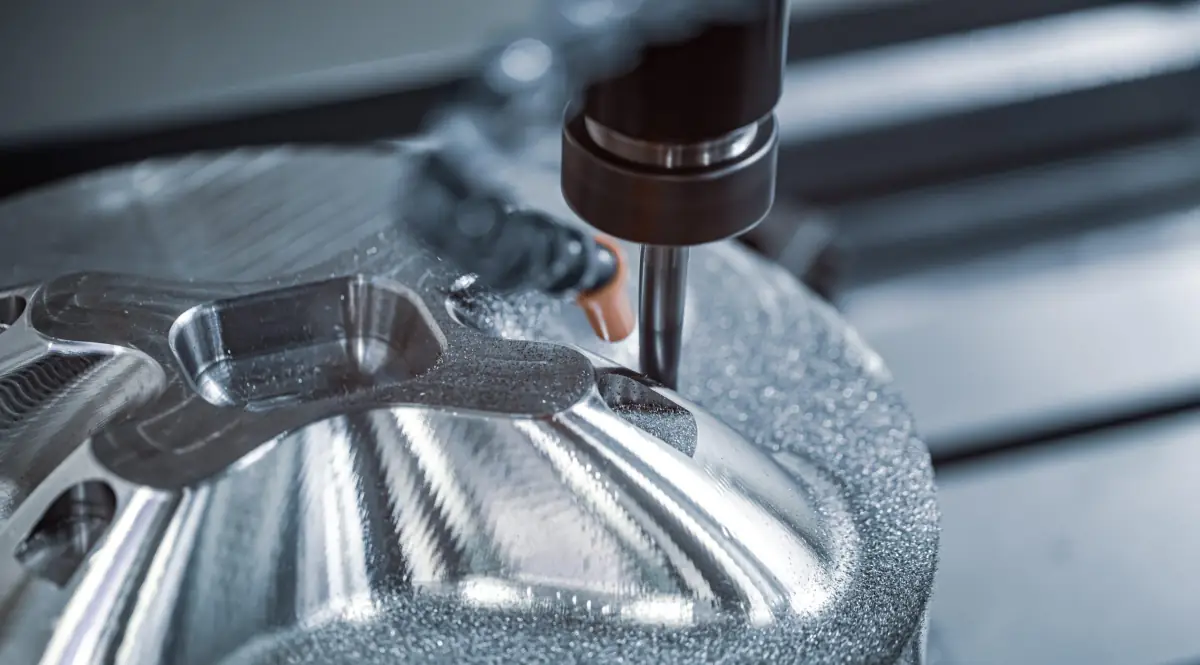
CNC milling is a machining process that uses rotating cutting tools to remove material from a workpiece, creating three-dimensional shapes with high precision and accuracy.
This productive process is commonly used in manufacturing complex parts for a wide variety of industries, including automotive, aerospace, medical, and the industrial sector in general.
It is a process that combines advanced computer technology with precision machinery to perform cuts and form detailed parts. The process begins with creating a 3D model of the part in CAD software, which is subsequently converted into G-code via CAM software, defining the tool paths and cutting parameters.
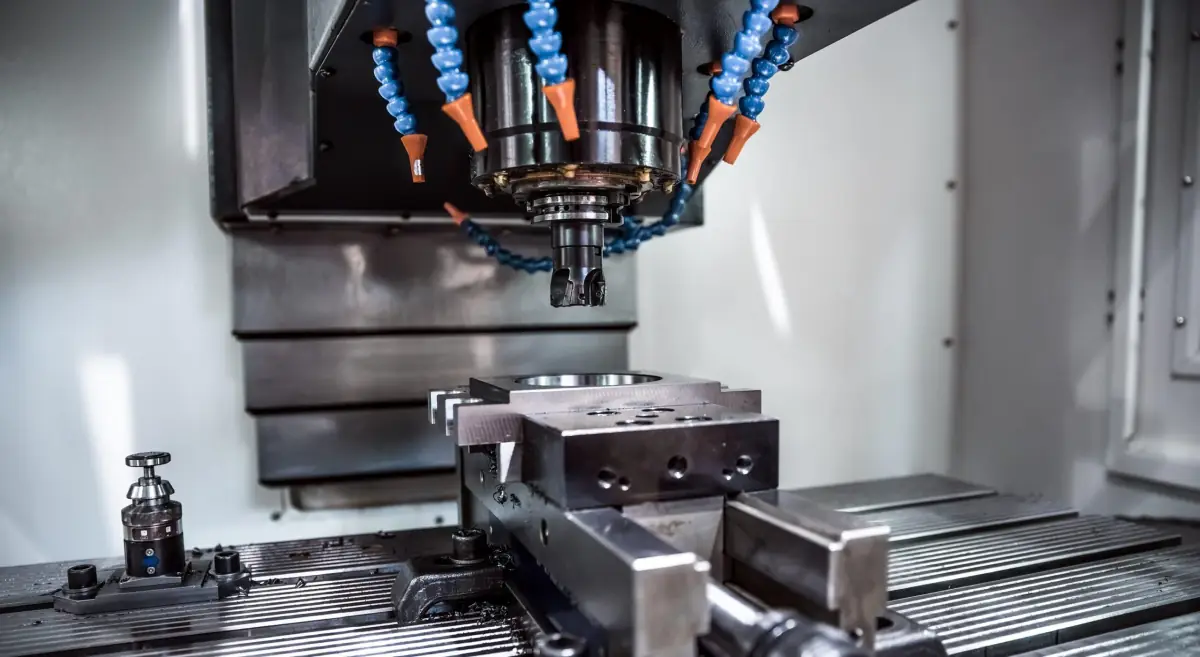
Once designed and programmed, the machine is set up. The workpiece is clamped to the table of the CNC machine and the cutting tool is mounted in the spindle. It is essential that the machine is calibrated to ensure the precision of the movements and the correct alignment of the part.
During the milling process, the cutting tool moves along the X, Y, and Z axes, and even additional axes, following the programmed paths. The tool rotates at high speed and removes material from the part, creating the desired shape with high precision.
Improvements in CNC milling
Although there are several types of CNC mills, the most common are 3-axis machines, that is, those that move along the X, Y, and Z axes and allow manufacturing in 3 dimensions.
The 5-axis CNC machines have greatly improved this process by adding two additional directional movements. It is an ideal technology for manufacturing complex parts and prototypes that require higher precision.
The immediate future of CNC machining
In recent years, it has evolved significantly, both in the design and development of parts via CNC machining, as well as in the development of CNC milling machines.
Regarding machinery, we can find CNC mills that are increasingly complex, larger, and more difficult to operate, meaning they require more experience or skills.
In short, we can say that in the future, further improvements are expected in the CNC milling process, and therefore, improvements in the quality and precision of parts manufactured using this technology as well.
At Proto&Go! we offer the best CNC machining service for your parts and prototypes. You can request your quote quickly and easily through the form on our website.
What are you wating for? Request your quote now!