Safety basics and safety tips for CNC machines
Discover all the basic aspects and safety tips to minimize the risk of injury in CNC machining at Proto&Go!
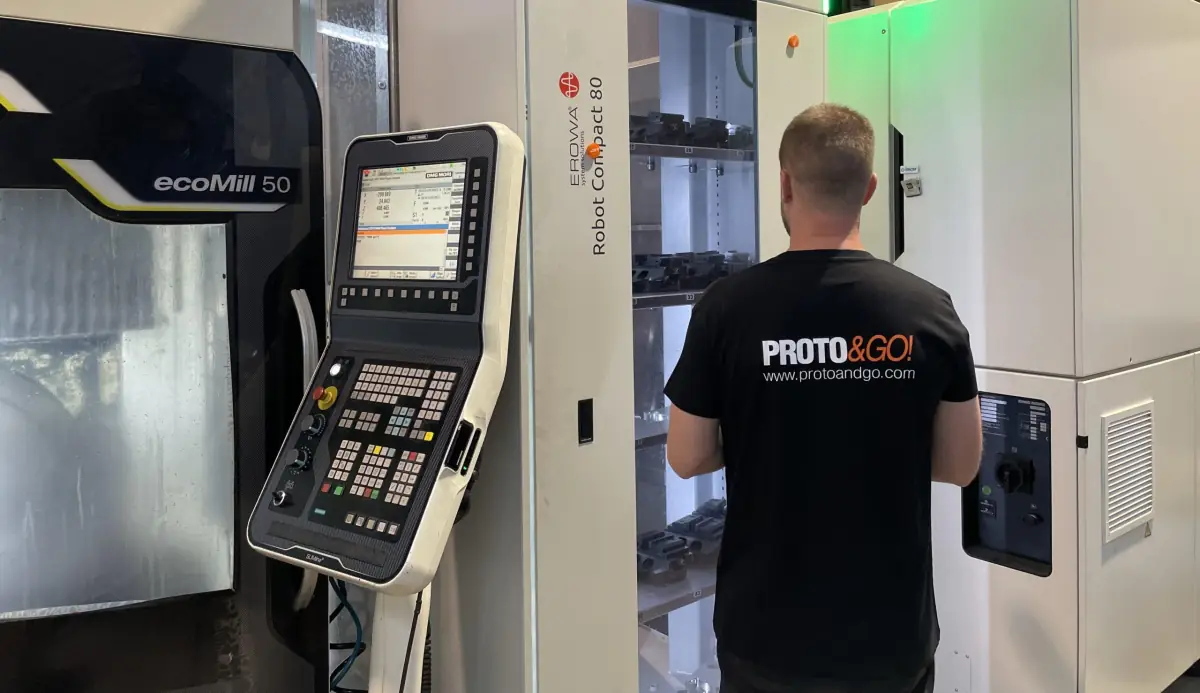
CNC machines have revolutionized manufacturing, enabling unprecedented levels of precision and automation across industries such as automotive, aerospace, and general manufacturing. However, as these machines advance in technology and capability, it is also crucial to consider the safety aspects surrounding the entire CNC machining process.
In this article, we will explore the basic safety aspects and tips for working with CNC machines, ensuring not only efficiency in the production process but also the protection of operators and equipment. From proper usage to preventive maintenance, these tips help minimize risks and maximize productivity in any work environment.
CNC Machine Safety Guidelines
Following safety procedures when working with CNC machines is fundamental to minimize the risk of injuries and accidents in the workplace.
Below, we offer a basic checklist that you can use before operating any CNC machine:
- Pre-operational safety checks: Before turning on the machine, it is essential to inspect the equipment for damage or signs of wear. Make sure to check the tools, accessories, fluid lines, and guards. In other words, verify that all guards are in place and that safety devices are functioning correctly.
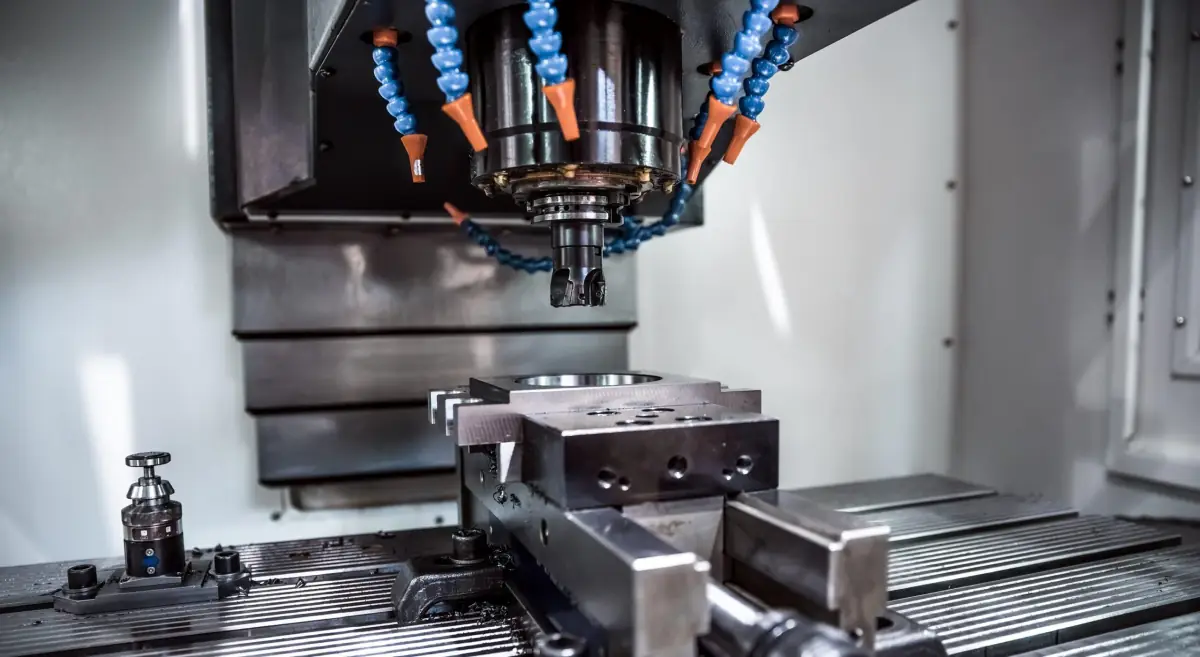
- Proper workpiece clamping: Secure the workpiece properly to prevent it from moving during the machining process. Poor clamping can cause tool breakage or damage to the part.
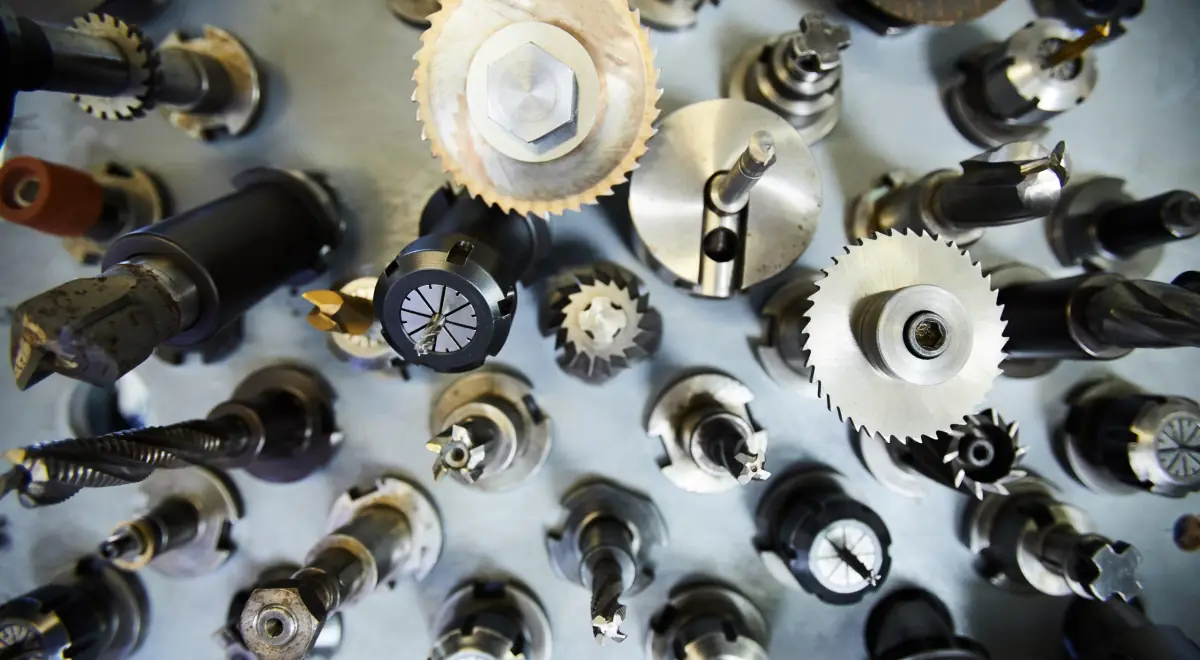
- Selection and maintenance of appropriate tools: Always use the appropriate tool for each project. Additionally, it is important to inspect tools regularly to ensure they are sharp and in good condition.
- Safe machine operation: Never disable safety interlocks or operate the machine with guards removed. It is essential to stay alert and focused when the machine is running to avoid potential accidents.
- Personal check: Before operating, ensure you are wearing the appropriate personal protective equipment for each machine and verify that there are no loose objects that could get caught in the machine.
Following these steps is essential to ensure safer and more efficient operation of CNC machines, reducing risks for both workers and equipment.
CNC Machine Maintenance
Proper maintenance of CNC machines is key to avoiding failures and reducing the risk of accidents. Maintenance tasks are divided into daily, periodic, and annual, according to the manufacturer's specifications and machine usage.
- Daily maintenance: Check lubrication levels, empty chip trays, inspect safety mechanisms, and clean surfaces to prevent chip accumulation.
- Periodic maintenance: Every six months, clean the coolant tank and collets, as well as replace or clean coolants and lubricants.
- Annual maintenance: Run software simulations to check tool alignment and perform software updates if necessary.
Electrical safety and environmental considerations are critical maintenance aspects. Check electrical connections to avoid shock risks, and ensure good ventilation and cleanliness to reduce trip hazards, smoke exposure, and other environmental risks.
In short, proper safety and maintenance are fundamental for the correct operation of the CNC machines. Following safety guidelines, such as pre-operation inspections, proper part clamping, and using tools in good condition, can minimize risks and ensure a safer working environment. Additionally, regular preventive maintenance, both daily and periodic, ensures that the CNC machines operate efficiently, extending their lifespan and preventing accidents. Complying with these guidelines not only protects operators but also optimizes productivity in the process.
At Proto&Go! we offer the best CNC machining service for your parts and prototypes. You can request your quote through our website form quickly and easily.
What are you wating for? Request your quote now!