Functional prototypes vs. visual prototypes: which do you need and when?
Distinguishing between functional and visual prototypes allows you to optimize time, reduce costs, and make more informed decisions.
One of the most frequent mistakes when developing a new product is not choosing the type of prototypeneeded in each phase. Not all prototypes serve the same function: while some are used to validate shape or aesthetic appearance, others are designed to check functionalities, resistance, or assemblies.
Differentiating between functional prototypes and visual prototypes allows optimizing times, reducing costs, and making more informed decisions during development.
What is a visual prototype?
A visual prototype (also called aesthetic or appearance prototype) aims to show the final look of the product, without the need for it to function. It is used to validate the 3D model, proportions, color, ergonomics, or the aesthetic perception of the product.
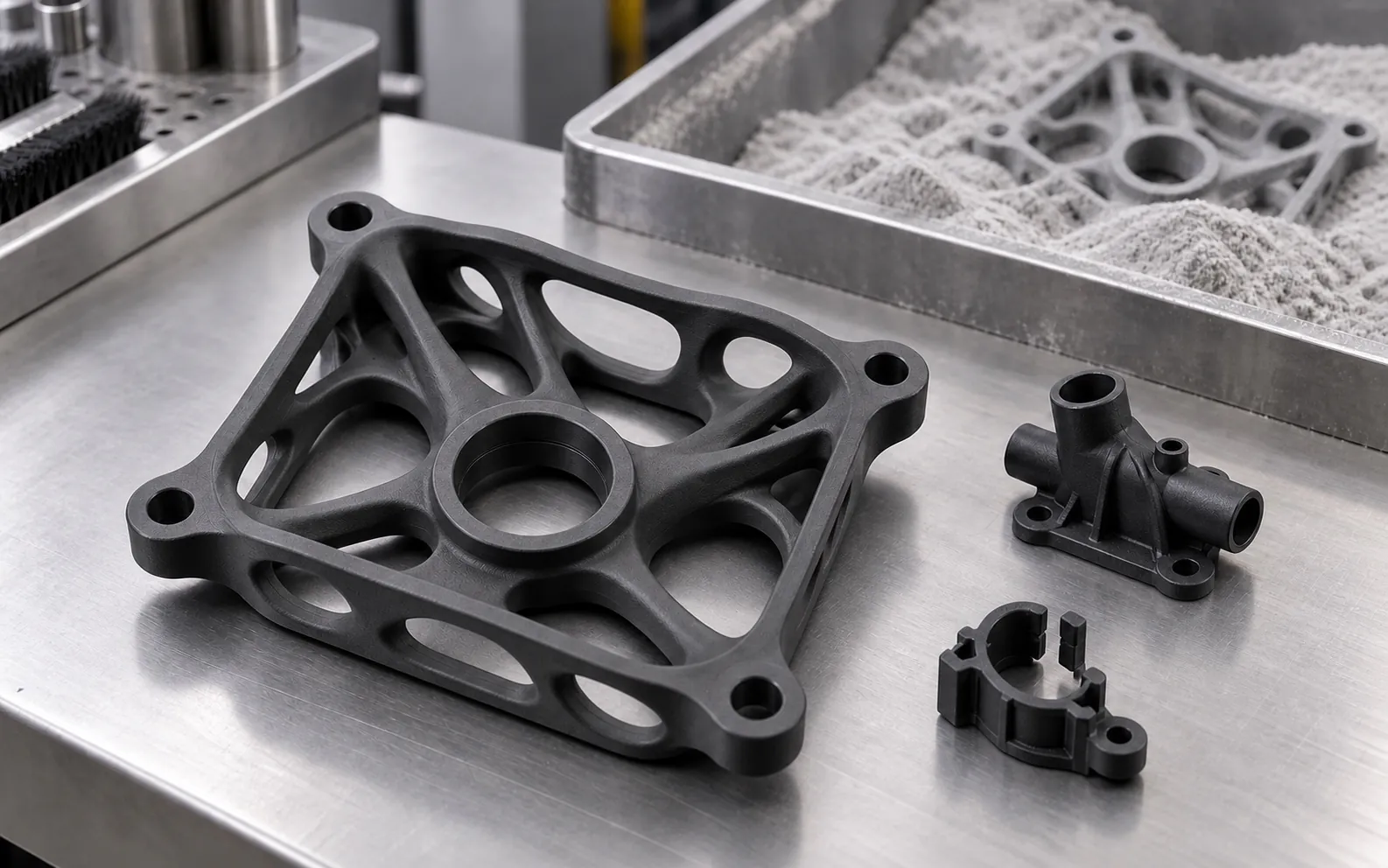
This type of prototype is typically manufactured using 3D printing, 3D modeling, or rapid prototyping techniques with aesthetic finishes. Lightweight and economical materials are used, and their goal is not to withstand loads or real usage conditions.
When to use it?
It is usually employed inearly design phases to make aesthetic decisions, present the product to potential clients, or conduct tests with users. It is also ideal for marketing campaigns or trade shows.
It allows visualizing the volume, finish, and proportion of the product without major investments. Additionally, it can be manufactured quickly and adapted to changes easily.
What is a functional prototype?
A functional prototype is designed to verify that the product behaves as expected under real usage conditions. It may include mechanical parts, assembly systems, electronic components, and even firmware if it is an intelligent product.
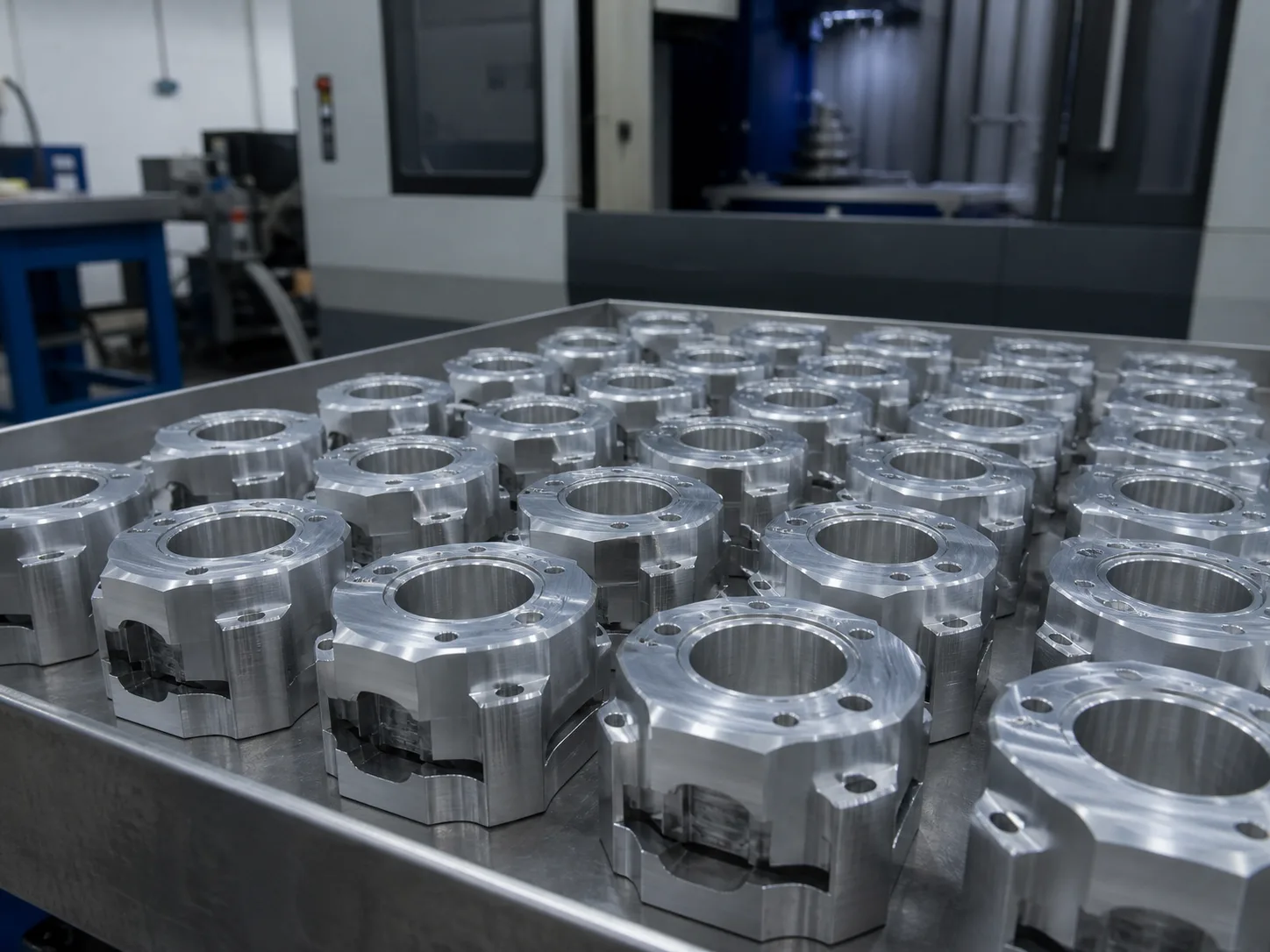
This type of prototype is manufactured with engineering plastics that simulate or replicate the final ones, such as aluminum, POM, PA12, or steels, and uses processes such as CNC machining, additive manufacturing, or combinations of both. It often involves more precise work with tight tolerances to correctly validate performance.
When to use it?
It is essential when you need to validate the mechanical or functional behavior of a product, before moving to the manufacturing phase. It is used in load tests, thermal analysis, assembly tests, tolerance verification, and regulatory compliance.
It reduces production risks by detecting real problems before investing in final molds or tools. It also allows simulating the product life cycle in its real usage environment.
How to choose the appropriate type of prototype?
The key is to align the type of prototype with the objective of each project phase. If you are exploring shapes, colors, or ergonomics, a visual prototype will be sufficient. If you need to verify functionality, tolerances, or mechanical loads, the functional prototype is the best option.
Additionally, each technology has its advantages depending on the use: 3D printing is perfect for low-cost, high-speed visual prototypes, and CNC machining is ideal for functional prototypes with high dimensional requirements.
Hybrid prototypes also exist that combine visual and functional parts. For example, a 3D printed housing with machined internal components. This mixed solution can be ideal when validating both aesthetics and functionality in a single part.