How much does it cost to manufacture a prototype?: All factors affecting the final price
Discover all the factors affecting the final price in the manufacturing of your parts and prototypes at Proto&Go!
One of the most common questions we receive at Proto&Go! is: "How much does it cost to make a prototype?". And although we would love to provide a universal figure, the reality is that the cost of prototype manufacturing depends on many factors.
In this article we explain what elements influence the final quote and how you can optimize your design to fit your quote.
What is the most suitable technology to manufacture a prototype?
It does not cost the same to manufacture a part via 3D printing as via CNC machining or silicone mold. Each technology has different fixed and variable costs:
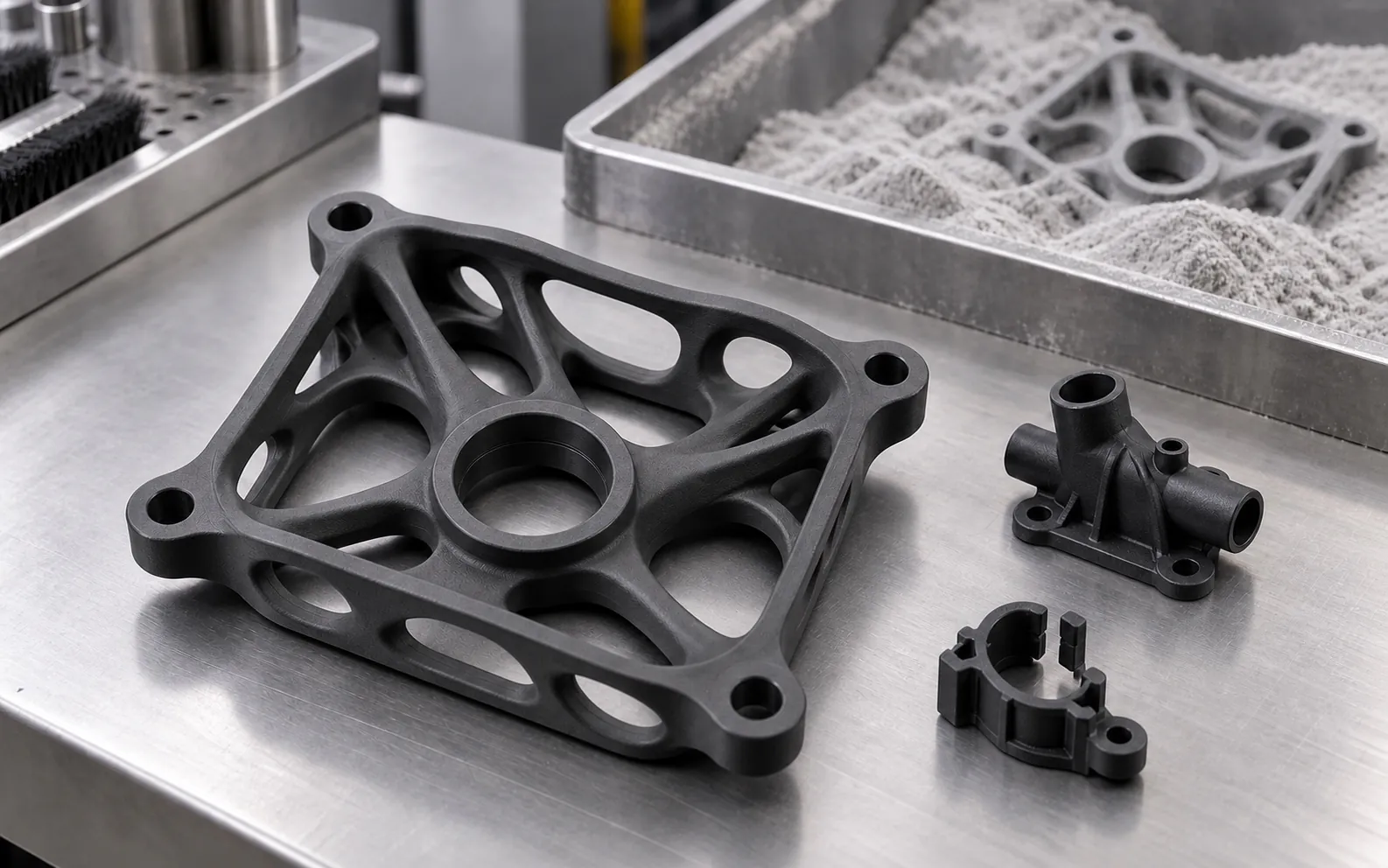
- 3D printing is usually the most economical option for parts with complex geometries or short runs, as it does not require tooling or extensive preparation.
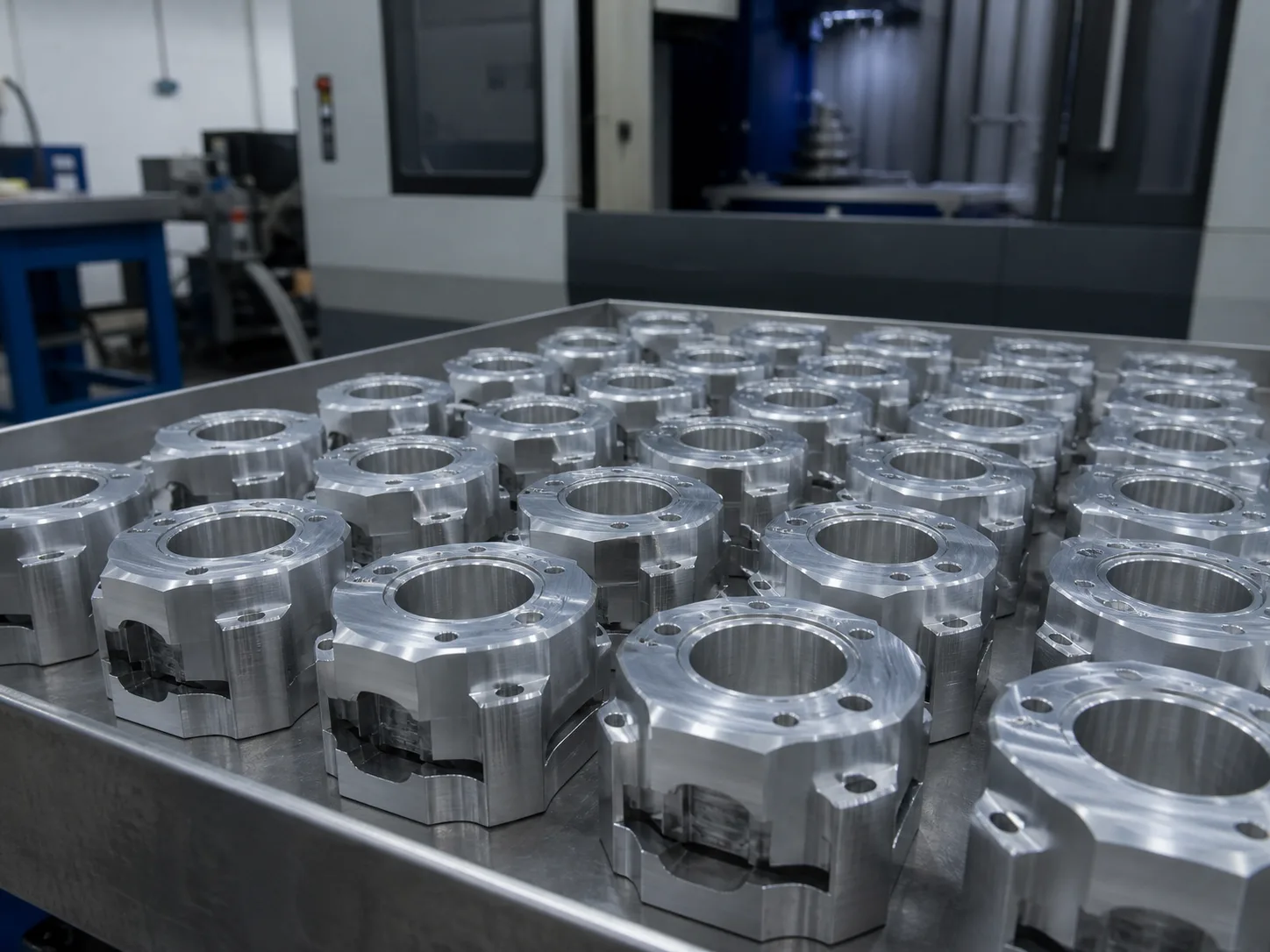
- CNC machining offers better tolerances and more robust materials, but it involves longer times and higher machine consumption.
- Silicone molding requires manufacturing a mold, which increases the cost of the first units but can reduce the unit cost if you need multiple parts.
In short, we can say that the choice will depend on your needs: if you are looking for functional validation, aesthetic appearance, or simply a concept to present.
How does the design influence the prototype price?
A simple part, with basic shapes and no internal details, is quick to manufacture. Conversely, a design with deep cavities, thin walls, threads, or critical tolerances may require additional support, more preparation time, or even secondary processes (such as threading, polishing, or assembly).
The design complexity also affects the quote in the pre-production phase: if the 3D model needs to be corrected or adapted to be manufacturable, it may require review by the technical team.
What type of material should I choose for my prototype?
The material type directly influences the price. It is not the same to print in PA12 as to machine in aluminum 7075 or to manufacture in silicone resin.
- Some materials require longer post-processing times or special conditions.
- Metals usually have higher raw material and machine costs.
- Certain engineering plastics, although cheaper per kilo, may generate more waste or require specific tools.
If you have flexibility on this point, it is a good idea to let us advise you. Sometimes there are alternative materials that offer a similar result with lower cost.
Dimensions and part volume
Part size and volume matter: large parts consume more material, require more machine time, and in many cases must be machined in sections to be assembled later. Even if the design is simple, a large volume can multiply the final price.
Therefore, during the design phase, it is advisable to analyze whether areas can be lightened or if dimensions can be reduced without affecting functionality.
Should you manufacture multiple units or just one?
In rapid prototyping, manufacturing a single unit is perfectly possible, but more expensive per unit than making 5 or 10. This is because certain fixed costs (machine preparation, material fixation, CAM programming) are distributed among all units.
If you are considering manufacturing more than one unit, we recommend comparing the cost per unit for different quantities. Sometimes, for a small extra, you can get several copies and have room for testing, validations, or commercial samples.
Urgency or lead time
The more urgent your order, the more resources must be mobilized. In Proto&Go! we can manufacture and deliver in record time, but that implies reorganizing production and prioritizing the order. Time is also a resource, and in certain cases it influences the price.
If you can plan in advance, you will not only save costs, but also have more room to review and optimize your design.